
Six years have passed since the U.S. made a significant move regarding Hong Kong. When China implemented a national security law on the city, the U.S. responded. This law ended the ‘one country, two systems’ framework established in 1997. As a reaction, President Trump introduced Executive Order 13936. This declared a national emergency, removed Hong Kong’s trade advantages, and allowed sanctions on officials responsible for curbing the city’s freedoms.
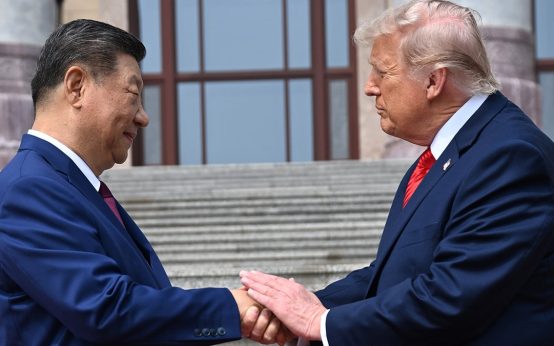
Recently, this stance shifted quietly. On July 14, the national emergency backing the executive order lapsed without fanfare. The White House did not announce this change. No policy speech accompanied it. Silence marked the occasion. The administration simply avoided renewing the order as before. China informed the world first. On July 17, China’s Ministry of Commerce shared the news, citing commitments reportedly made during prior trade discussions in Madrid. The U.S. Treasury confirmed this later yet did not offer detailed reasoning.
The implications are significant. Relief from sanctions now benefits nine officials linked to Hong Kong’s crackdown. These include Justice Secretary Paul Lam, National Security Department Chief Sonny Au, and former police chiefs Raymond Siu and Stephen Lo. These individuals have upheld laws jailing activists, closing independent media, and freezing assets of people like Jimmy Lai, a British publisher, as recently as this year.
The move may also restore Hong Kong’s prior trade status. However, conditions in the city remain unchanged. In 2020, the U.S. stated that Hong Kong’s autonomy faced an ‘unusual and extraordinary threat.’ That situation persists, despite Washington no longer addressing it. Hong Kong’s authorities have maintained strong security laws. New offenses criminalize refusal to provide passwords to police. Sweeping powers allow the city’s leader to classify cases as national security matters beyond judicial review. Asset seizures continue against dissidents abroad.
The human impact is substantial. Thousands from Hong Kong have relocated to the U.S., escaping the crackdown the national emergency was meant to combat. Many viewed America as a bastion of freedom against Beijing’s long reach. However, Washington’s recent silence may suggest that protection is no longer assured. Hong Kong authorities have placed bounties on overseas pro-democracy activists, engaging in widespread repression in communities worldwide.
Recent U.S. decisions are not responses to improvements in Hong Kong. They appear to be trade concessions. The lack of renewal for the national emergency fails to hold Beijing accountable. It awards the Chinese Communist Party an unmerited victory. Citizens and Congress deserve transparency. What did the U.S. gain from Beijing? Were human rights part of the discussions? Or was Hong Kong a mere element in broader discussions?
Congress holds the means to investigate. Public hearings, document requests, and oversight can clarify U.S.-China policy. Both parties previously supported legislation like the Hong Kong Human Rights and Democracy Act. They recognized the necessity to separate human rights from trade decisions. Upholding this principle remains critical.
The administration needs to rethink its position. Sanctions on Hong Kong officials, responsible for erosion of judicial independence and civil liberties, must be enforced. The people of Hong Kong, the journalists, judges, and activists like Jimmy Lai, continue to suffer. Families who sought American freedom did not choose this moment of retreat. They deserve more than to become a trade deal element. At the very least, they warrant an honest account of decisions made.
Megan Khoo serves as the policy director at Hong Kong Watch.
 A Mother’s Tragic Journey Under Abortion Ban
  U.S. Strategic Goals Remain Unmet Amid Prolonged Conflict
  The Impact of Arts and Closure on Democracy
  Community Relief Efforts at New Orleans Free Store
  U.S. Ambassador Comments on Iran War Duration Amid Political Concerns
  US-China Relations Under Scrutiny: Expert Warns of Escalating Tensions