
The Trump administration recently announced a partial easing of sanctions on Hong Kong. These sanctions were initially implemented six years ago following a severe crackdown on freedoms and dissent within the city. This decision comes at a surprising moment, as it follows recent actions by Hong Kong authorities that have raised international concerns.
Earlier in the same week, Hong Kong police conducted raids on two independent bookstores. They arrested five booksellers on charges related to selling ‘seditious’ publications. These publications allegedly contained content that did not align with the Communist Party’s perspective. This event has underscored ongoing issues about personal freedoms in Hong Kong.
Protesters in Hong Kong have previously demonstrated by carrying American flags, symbolizing their demand for support and democratic freedoms. Such demonstrations took place in July 2019, as captured in visuals by Kin Cheung of the Associated Press.
The easing of sanctions might be interpreted as an olive branch to China; however, the timing and implications of this decision remain subjects of debate. Questions arise on what trajectory the relationship between the United States and China will take amid these actions. The administration’s decision raises further questions on what outcomes are anticipated in exchange for this diplomatic gesture.
 American Public Opinion on Press Freedom
  Media Lawsuit Against Trump Administration for White House Ban
  The Cost of Challenging Beijing
 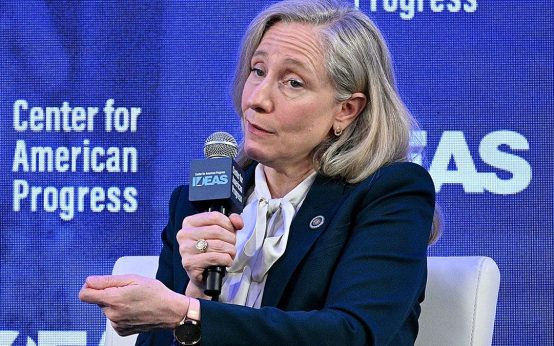 Analyzing Midterm Elections and Party Dynamics
 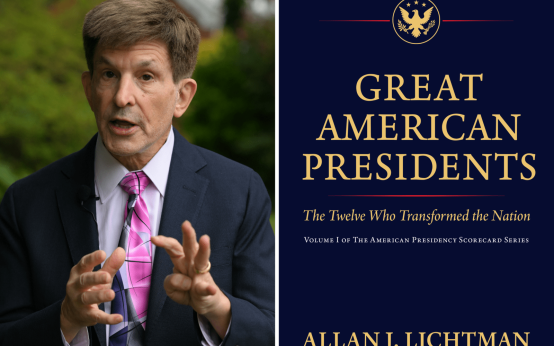 Allan Lichtman’s Framework for Assessing Presidential Greatness
 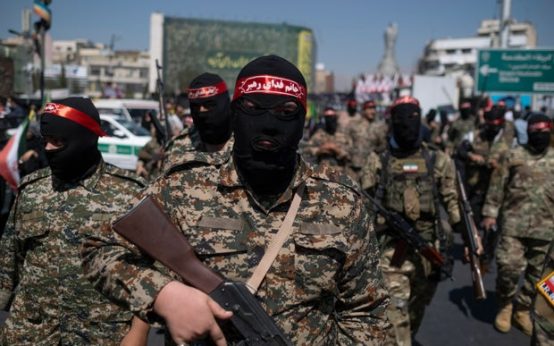 Tensions Escalate in Iran Conflict as Global Leaders Weigh Options