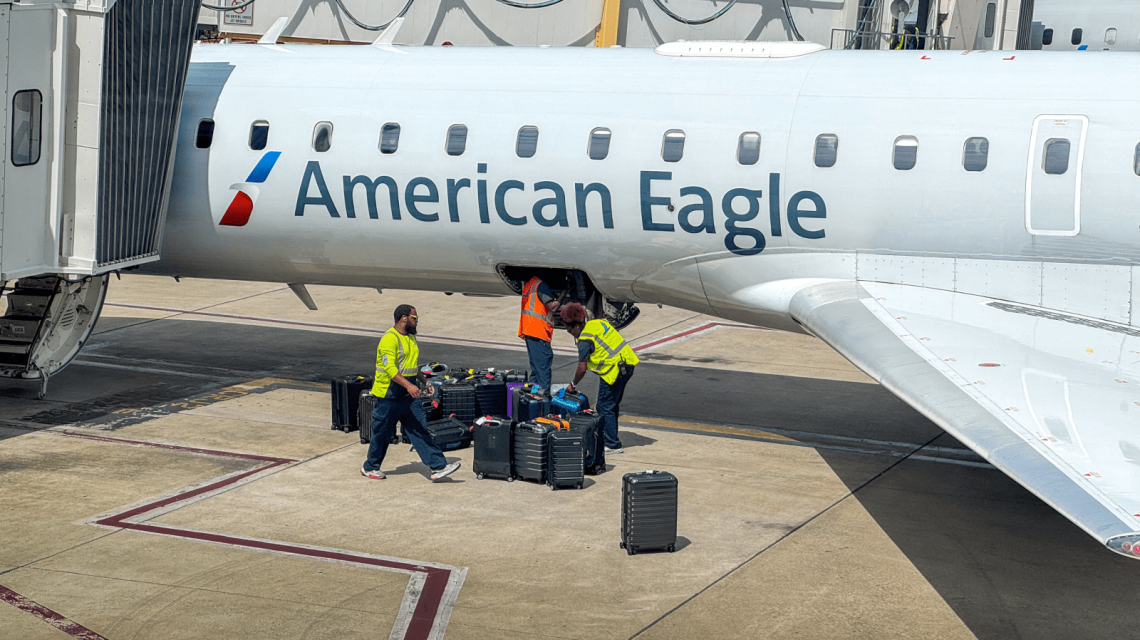
American Airlines has introduced an innovative platform to monitor flight attendants’ performance, raising concerns among labor advocates about workplace surveillance. The system, internally dubbed Me@Work, evaluates flight attendants using various metrics collected over a year.
Data Collected by the System
- Passenger satisfaction surveys
- Attendance records
- Operational performance metrics
- Delays related to flight attendants
- Adherence to company procedures
- Microsoft Teams usage
- Compliance with electronic flight bag use
- Timeliness of incident reports
American Airlines describes Me@Work as a tool to provide insight into performance, emphasizing it is informational, not disciplinary, according to the Association of Professional Flight Attendants (APFA), the group representing the airline’s flight crew.
Criticisms of the System
Critics argue that many metrics included in the scoring system may be influenced by factors outside of a flight attendant’s control. Passenger survey outcomes might reflect issues like flight delays, Wi-Fi problems, catering, or a lack of cleanliness, which don’t necessarily pertain to an attendant’s individual performance. Flight attendants also question the fairness of evaluating their ‘operational contribution’ and worry about being penalized for issues that arise from broader airline operations.
The APFA voices concerns over the transparency of the scoring process and wants workers to review, challenge, and correct potentially misleading data. The union maintains, “We continue to have the right to dispute any attendance, performance, or disciplinary issue, including anything that may arise from or reflect on our record as a Flight Attendant, regardless of how that information is obtained.”
California Privacy Law and Its Implications
California’s expansive privacy regulations have amplified the issue. The California Consumer Privacy Act (CCPA), updated by the California Privacy Rights Act (CPRA), gives state residents, including employees, rights over personal data collected by businesses. These include knowing what data is gathered, access to it, and the ability to correct inaccuracies. Businesses must also inform individuals about how their data is used.
The APFA seeks more details about Me@Work’s functioning and stresses the importance of flight attendants being able to contest performance information in their records. Meanwhile, American Airlines asserts it has met notice requirements and complies with existing laws. So far, no regulatory authority has found the airline in violation of California law.
Implications for the Future of Workplace Surveillance
The debate over Me@Work sheds light on the broader issue of workplace surveillance as industries increasingly gather extensive worker data. While companies argue these systems enhance accountability and efficiency, employee advocates express concern over performance score generation, the ability to challenge scores, and the role of automated tools in employee assessments.
The current controversy focuses less on aviation specifics and more on a critical question for workplaces nationwide: how much monitoring is acceptable?
Newsweek has reached out to American Airlines for detailed information on score generation, employee review, and the role of these scores in compensation or promotions. Additionally, comments from three flight attendants have been sought regarding the Me@Work app.
Contact Newsweek editors for more information on this topic: John Fitzpatrick and Cristina Diciu.
 Data Centers Stir Controversy in Texas Amid Growth Boom
  The Technology Rivalry: Trump’s Meeting with Xi and the AI Ecosystem Clash
  Ways to Protect Your Finances from Cyber Threats
  Interview with Nvidia CEO Jensen Huang: AI Outlook and Business Strategy
  Concerns Rise Over Addictive Design of Sports Betting Apps
  Seton Hall National Security Graduate Fellowship Provides Hands-On Experience