
America requires a more intelligent approach to work-from-home policies. The House of Lords in Britain has provided a sensible direction. It’s time to cease viewing remote work as a mere benefit or a nuisance. The essential issue is identifying what setup allows public servants to perform their duties efficiently, serve the public effectively, and remain in positions that the government finds increasingly difficult to staff.
Britain’s focus on the role-specific needs in remote work can guide the development of evidence-based policies. This approach places emphasis on assessing individual job requirements rather than adopting one-size-fits-all mandates.
The Importance of Evidence-Based Practices
Remote work policies should be driven by data and proven outcomes. Evidence-based strategies enable organizations to tailor work arrangements that align with specific job functions, maximizing productivity and satisfaction.
Data can reveal trends that show better performance when employees are given autonomy regarding their work environments. Such insights are vital for crafting effective remote work policies.
Role-Specific Strategies
Different roles necessitate different work setups. Some positions may thrive in a remote environment, while others require in-office presence. Identifying these needs is essential for public entities to deploy resources effectively.
By focusing on job-specific requirements, governments can create a balance that promotes efficiency while addressing the distinct nature of each role.
Prioritizing Public Value
It’s crucial to maintain a focus on public value when reforming remote work policies. The goal should be to enhance service delivery to the public rather than simply benefiting employees or management.
Policies should ensure that public sector jobs are attractive to talented individuals while aligning with the overarching mission of public service. This balance between attraction and service delivery will support better governance and community outcomes.
 A Mother’s Tragic Journey Under Abortion Ban
  U.S. Strategic Goals Remain Unmet Amid Prolonged Conflict
  The Impact of Arts and Closure on Democracy
 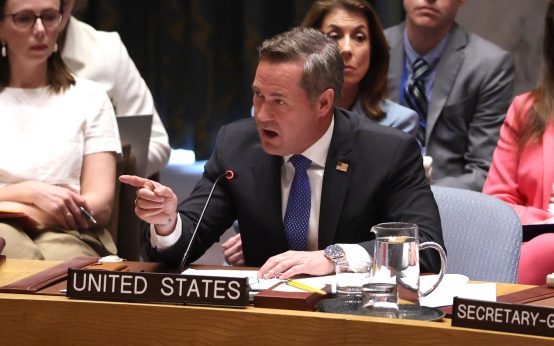 U.S. Ambassador Comments on Iran War Duration Amid Political Concerns
 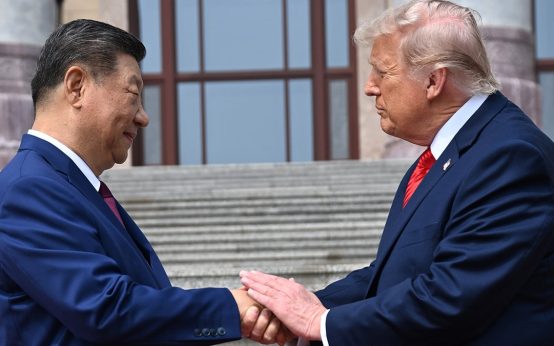 US-China Relations Under Scrutiny: Expert Warns of Escalating Tensions
  No Timeline for End of Iran Conflict