
“Imagine the end of capitalism.” This phrase appears in the Democratic Socialists of America (DSA) manifesto, suggesting a vision of a world without landlords, debt, and mandatory work hours. Common goods, including food, education, energy, medicine, and transportation, would be available to all.
The left often speaks of radical changes as “reimagining” various institutions, from the police to the Supreme Court. The ascent of socialists within the Democratic Party has shifted such proposals from rhetoric to revolutionary ambitions.
The release of the DSA platform on Bastille Day, July 14, is significant, paralleling the Jacobins’ endorsement of similar systems during the French Revolution. The DSA aims to transform the constitutional framework, challenging the dominance of billionaires and war profiteers.
Notable figures like New York Mayor Zohran Mamdani advocate abolishing the Senate, Supreme Court, and presidency, seeking to reshape American governance. My book, “Rage and the Republic: The Unfinished Story of the American Revolution,” explores this socialist surge and its implications for the constitutional system’s future.
The book examines historical parallels with the Jacobin movement, noting that both the American and French revolutions emerged simultaneously. While one led to a longstanding democracy, the other descended into tyranny and “The Reign of Terror.” Even revolutionary figures like Thomas Paine backed similar ideals for direct democracy, despite the Framers’ rejection of these concepts.
The DSA emulates the Jacobins by aiming to dismantle moderating institutions and replace traditional roles with democratically elected ones from the House of Representatives. This approach resonates with some academics and influencers.
Books like “No Democracy Lasts Forever: How the Constitution Threatens the United States,” penned by Erwin Chemerinsky, dean of UC Berkeley Law School, reflect radical perspectives. Media outlets such as the New York Times have published opinions advocating a departure from constitutionalism.
The Framers, well-versed in history, cautioned against replicating elements that led to the fall of democracies like Athens. In “Rage and the Republic,” I warn against blindly following radical ideals without grasping their true consequences.
“Radical agendas, if uncontainable, can evolve into unrecognizable forms,” the book notes, highlighting how ideas can prey on the unsuspecting and vulnerable.
Michaela Brangan, DSA National Political Education Chair, envisions socialism offering freedom from economic dependency. She questions the Senate’s relevance, claiming socialism would remove financial exploitation.
Capitalism has significantly shaped the American republic. The Declaration of Independence and Adam Smith’s “Wealth of Nations” mark the country’s founding, emphasizing economic independence for personal freedom. Leftist figures have rekindled class warfare rhetoric long-rejected by the Founders.
The Jacobins’ policies decimated France’s economy, unraveling under unrelenting radicalism. Yet similar calls surface today, urging the dismantling of the world’s oldest stable democracy. Prominent voices subtly prepare the public for sweeping changes. Former Vice President Kamala Harris dismissed resistance to such changes as mere nostalgia.
California Governor Gavin Newsom challenged capitalism’s efficacy, echoing calls for systemic transformation. However, enduring support for the constitutional system lies in its foundation on natural rights. It upholds minority protection from majority rule, balancing political and economic independence with free-market principles.
As Benjamin Franklin advised, preserving the republic for future generations requires attentiveness to these lessons.
Jonathan Turley is a Fox News Media contributor and Shapiro Professor of Public Interest Law at George Washington University. He authored “Rage and the Republic: The Unfinished Story of the American Revolution,” published February 3, 2026, on the republic’s 250th anniversary.
Professor Turley’s extensive legal scholarship encompasses constitutional law and history, with numerous academic articles in leading journals. He has represented prominent clients and testified before Congress on various issues.
 U.S. Strategic Goals Remain Unmet Amid Prolonged Conflict
  The Impact of Arts and Closure on Democracy
 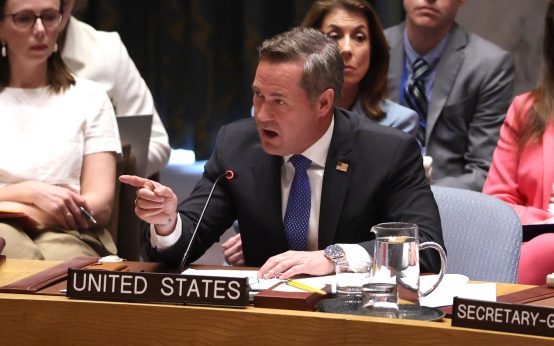 U.S. Ambassador Comments on Iran War Duration Amid Political Concerns
  US-China Relations Under Scrutiny: Expert Warns of Escalating Tensions
  No Timeline for End of Iran Conflict
  German Chancellor Merz Vows to Pursue Reforms Despite Election Setbacks