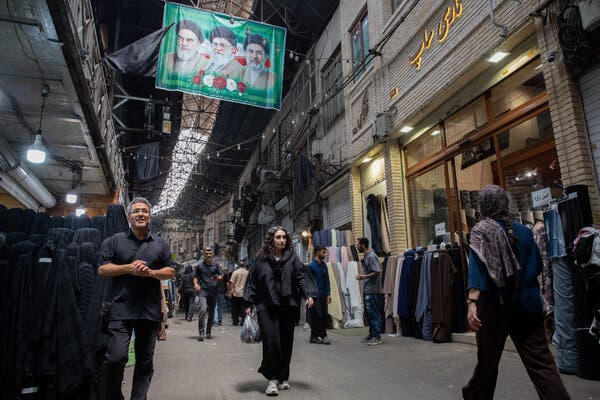
After more than a week of strikes that disrupted an attempted cease-fire, the conflict between the United States and Iran remains precariously balanced. Analysts emphasize the urgent need to seek diplomatic solutions to prevent the situation from developing into an uncontrollable war.
Despite the increasing threat of escalation, neither the U.S. nor Iran is in a position to sustain prolonged conflict economically or politically. In recent days, blows exchanged by Tehran and Washington have escalated beyond military targets, heightening the tension in their renewed conflict.
Critical infrastructure such as water and desalination plants have been targeted by both sides. This endangers the water and power supply for thousands during the scorching Gulf summer. Additionally, the strategic Strait of Hormuz faces blockages from both nations, with Iran’s ports under a U.S. blockade.
U.S. forces have carried out heavy bombardments on roads and infrastructure in southern Iran, resulting in civilian casualties and raising concerns about potential invasion plans.
In contrast, Iran’s retaliatory strikes on U.S. forces based in Jordan have resulted in the loss of two American soldiers and injuries among dozens more. This has brought the human cost of war closer to American citizens, challenging the Trump administration’s claims of assured military dominance.
 American Public Opinion on Press Freedom
  Media Lawsuit Against Trump Administration for White House Ban
  The Cost of Challenging Beijing
 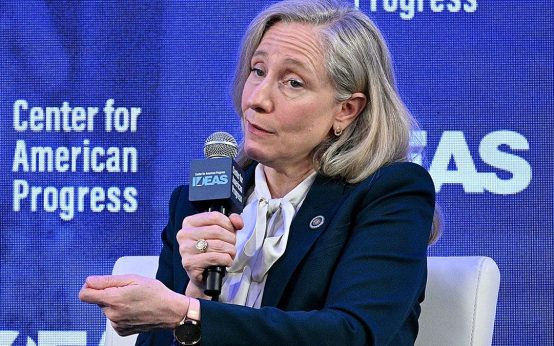 Analyzing Midterm Elections and Party Dynamics
  Allan Lichtman’s Framework for Assessing Presidential Greatness
 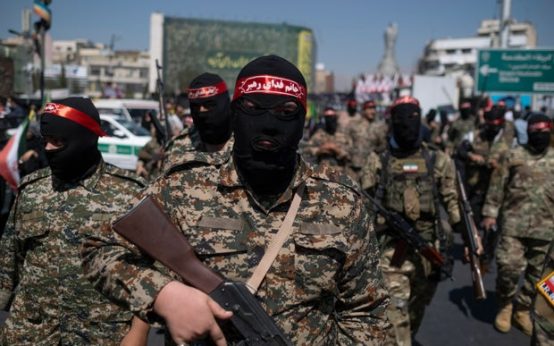 Tensions Escalate in Iran Conflict as Global Leaders Weigh Options