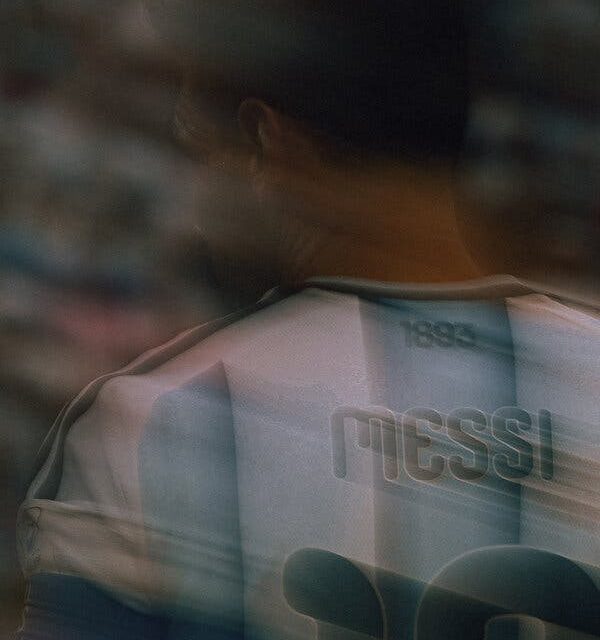
By late Wednesday afternoon in Barcelona, the roads were becoming less crowded. I was concerned I might miss the start of the Argentina-England semifinal. More pressing was the thought that this could be Lionel Messi’s final beginning. In Atlanta’s indoor field, Messi was unfazed by the heat outside. The match started fiercely; legs churned, players tugged and tackled, striving to control the ball. England’s young team pursued relentlessly.
Amidst this activity, Messi walked. At 39, he’s one of the oldest tournament players, sprinting less and covering fewer distances than before. On Sunday, he seems set to play his last World Cup match. While past tournaments saw Argentina question his skill and blame him for losses, his undeniable contribution transformed soccer. He redefined not just ball manipulation but foresight before ball arrival, turning patience into a form of attack.
Soccer matches have more than one clock. There’s the official, unforgiving time, and then there’s another, quieter time—a defender’s fatigue, a midfielder slowing down, or a fleeting open lane remaining available. Messi slows to observe this secondary clock: monitoring who follows him and where new openings appear. The visible running belongs to the apparent match. Messi anticipates the hidden aspect of it.
Messi walks not because he’s disengaged from the game. He walks to immerse himself in it. This has been his approach since age 19 and 29. Young Messi was famed for speed: his low center of gravity, seemingly close ball control, swift navigation of nonexistent gaps. But even then, his true gift lay in seeing the game unfold before others noticed.
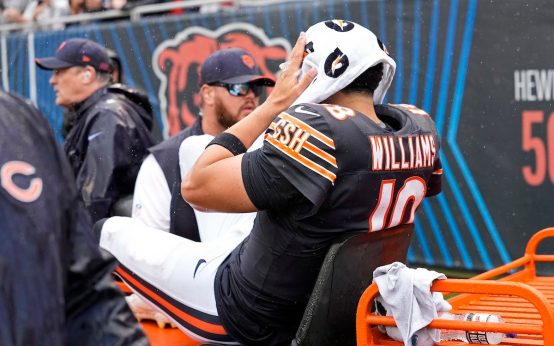 Chicago Bears Struggle After Caleb Williams’ Injury
  Jayden Daniels Suffers Elbow Injury; Marcus Mariota Set to Start
 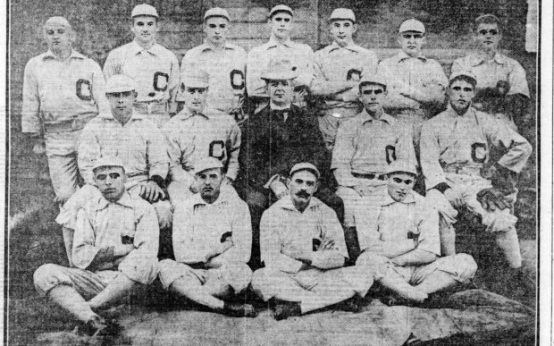 Significant Events in Chicago History on September 21
  Patriots Rookie Gabe Jacas Shines Against Aaron Rodgers
  Pittsburgh Steelers Face Offensive Struggles in Post-Tomlin Era
  CeeDee Lamb Leads Dallas Cowboys to Victory Over Washington Commanders