
The GOP reconciliation package under consideration by the House Budget Committee has come under scrutiny for its impact on federal spending. The legislation allows for increasing the deficit by $95 billion. However, it omits a significant factor: interest payments related to debt service, which dramatically alter the financial outlook of the package.
The cost associated with debt service is substantial, leading to a 42 percent rise in the package’s expenses when accounted for. This highlights the importance of considering all aspects of federal spending, including long-term obligations. The exclusion of debt service costs presents an incomplete picture of the package’s true financial implications.
Importance of Interest Payments
Interest payments are one of the largest components of federal expenditure. They represent commitments that the government makes over the long term. Ignoring these costs can lead to misleading conclusions about budgetary impacts and fiscal health. It’s essential for legislators and the public to understand how such factors contribute to the overall financial burden.
Rep. Jodey Arrington (R-Texas), the House Budget Committee chairman, and Rep. Brendan Boyle (D-Pennsylvania), the ranking member, discussed these fiscal concerns during recent hearings. The conversation emphasized the necessity of addressing not only immediate budgetary issues but also the longer-term consequences of increased deficits and debt obligations.
Given these considerations, lawmakers are urged to thoroughly evaluate fiscal policies and their broader economic effects. By doing so, they can ensure responsible budgetary decision-making that aligns with both current needs and future fiscal stability.
 The Impact of Arts and Closure on Democracy
 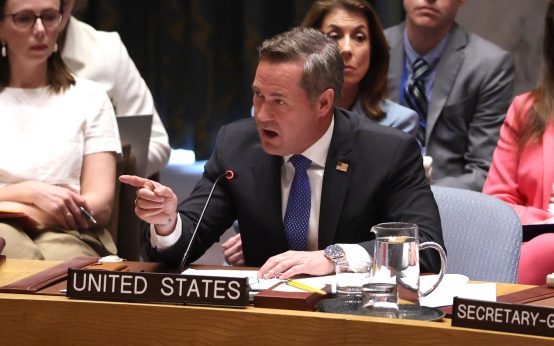 U.S. Ambassador Comments on Iran War Duration Amid Political Concerns
 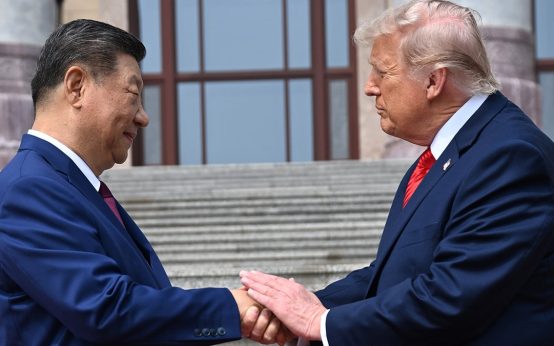 US-China Relations Under Scrutiny: Expert Warns of Escalating Tensions
  No Timeline for End of Iran Conflict
  German Chancellor Merz Vows to Pursue Reforms Despite Election Setbacks
 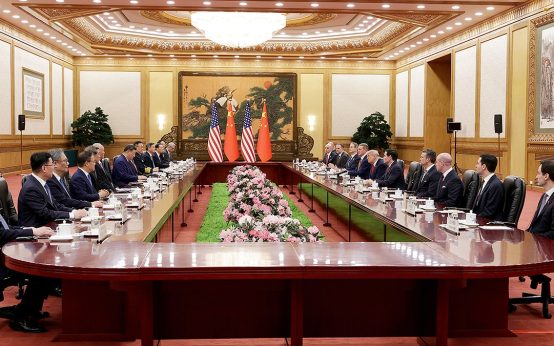 The Technology Rivalry: Trump’s Meeting with Xi and the AI Ecosystem Clash