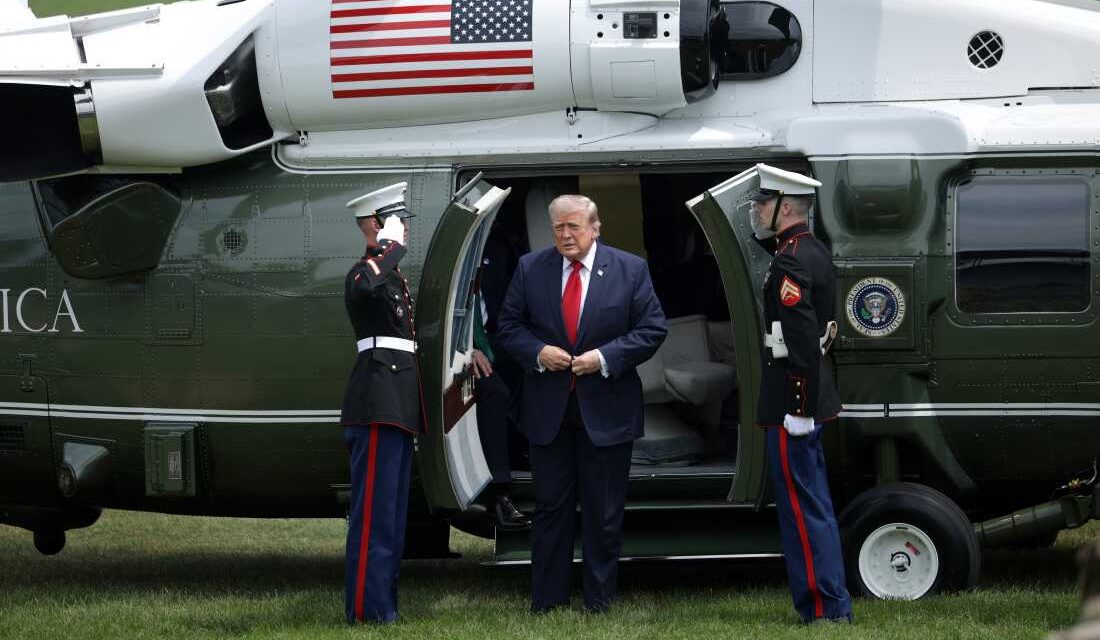
President Trump recently spoke at an event in Carlisle, Pennsylvania. His financial disclosures show a significant increase in wealth since taking office. His family businesses reported $2.2 billion in revenue last year, primarily from cryptocurrency. The reaction from voters in Pennsylvania is mixed.
NPR observed two online focus groups with 12 Pennsylvania voters, revealing diverse opinions. Half of the participants expressed concern over Trump’s financial gains while in office. The remaining half were less troubled.
Todd A., a 62-year-old independent voter, stated, “When it comes to ethics, moral and financial, I think that just about every politician is corrupt.” This view reflects a cynicism about politicians in general. Rich Thau, the focus group moderator and president of messaging firm Engagious, noted the low expectations these voters have for politicians.
Focus group conversations can’t provide scientific data like polling. However, they offer insight into voter sentiments. In a broader survey, many voters voiced concern about corruption in government. Pennsylvania’s focus group opinions on Trump’s actions were less clear-cut.
Betsy D., a 48-year-old Republican, saw Trump’s behavior as typical for someone in business and politics. “I am not saying it’s OK,” she added, “I’m just not troubled by it.” Ken J., a 44-year-old Republican, did not see legal issues with Trump’s financial increase. He said, “He’s a businessman. He openly admitted it. This isn’t a shock to me.” He would consider illegal activities like insider trading as different concerns.
Bhavana G., a 54-year-old independent voter, viewed Trump’s earnings as troubling due to potential abuse of power. She emphasized the distinction between business dealings and presidential responsibilities. Margaret M., a 58-year-old independent, worried that Trump’s business relations could influence his presidential decisions.
Additional Insights from the Focus Groups
Politicians’ Health
There is a divide on how transparent representatives should be about health issues. Eight participants agreed that Congress members with health concerns should disclose their conditions if absent for long stretches. Four voters supported granting them privacy.
Iran Conflict
Seven of 12 participants were aware that the U.S. resumed armed conflict with Iran. Only two voters believed President Trump would end the war by year’s end.
 The Impact of Arts and Closure on Democracy
 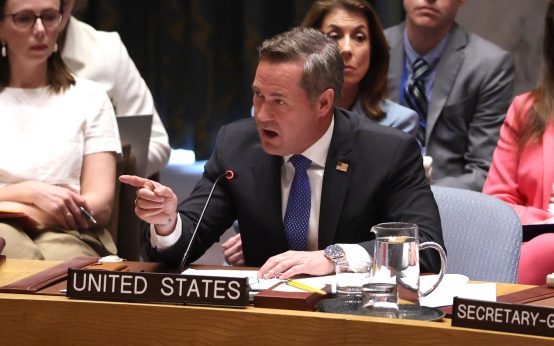 U.S. Ambassador Comments on Iran War Duration Amid Political Concerns
 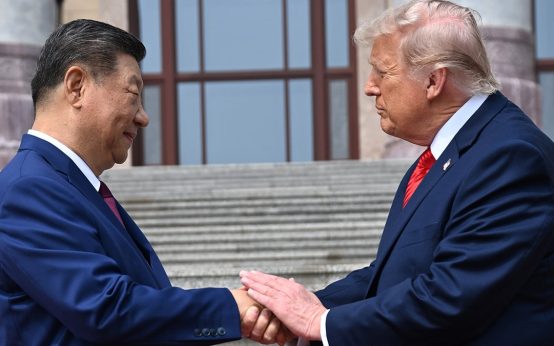 US-China Relations Under Scrutiny: Expert Warns of Escalating Tensions
  No Timeline for End of Iran Conflict
 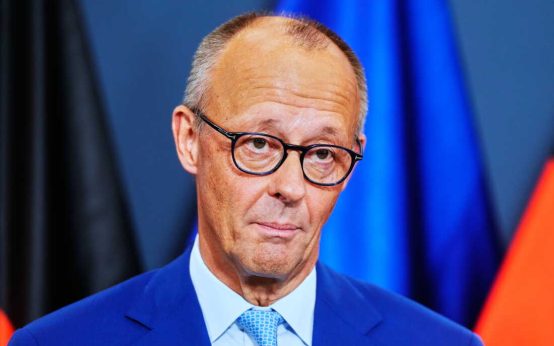 German Chancellor Merz Vows to Pursue Reforms Despite Election Setbacks
 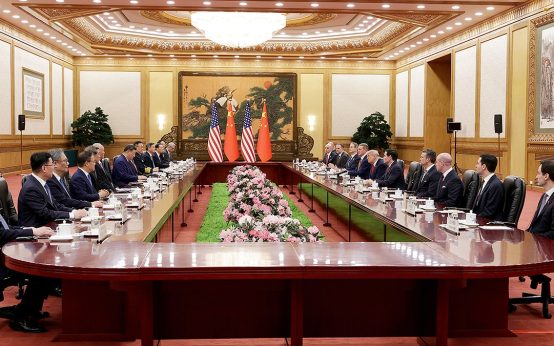 The Technology Rivalry: Trump’s Meeting with Xi and the AI Ecosystem Clash