
Current Conflict Between Israel and Iran
For weeks, Israelis have been experiencing uncertainty and volatility due to the conflict with Iran, which has seen periods of escalation and setbacks. As diplomatic talks between the United States and Iran devolve into threats and military action in the Persian Gulf, Israel finds itself waiting, uncertain of its next move.
Israeli civilians face the dilemma of whether to travel or risk being caught in bomb shelters if hostilities resume. The ceasefire with Iran has left the Israeli military in a precarious position, engaged in Lebanon and Gaza without clear plans or direction. This uncertainty weighs heavily on the nation, with polls indicating that the sense of security among Israelis has decreased compared to earlier in February when the U.S.-Israeli attack on Iran occurred.
Different Objectives
Israel’s objectives differ from those of the Trump administration. President Trump has a clear aim: to ensure the Strait of Hormuz remains open for commercial transit without interference from Iran. Despite adopting aggressive posturing, Trump insists that U.S. actions aim to bring Iran back to negotiations, not to escalate the conflict further.
For Israel, however, the prospect of a U.S.-Iran agreement is cause for concern. The memorandum of understanding reached by the adversaries in June includes provisions and omissions that Israel finds troublesome.
 Investigators Uncover New Evidence in Missing Women Case Linked to Philadelphia Home
  WFP’s Challenge in Global Hunger Amid Conflict and Climate Change
  Counterpressure as the Key to Russia’s Retraction
  Kyiv Faces Renewed Threats as Russian Drone Strikes Intensify
  Key Updates on U.S. Politics and International Relations
 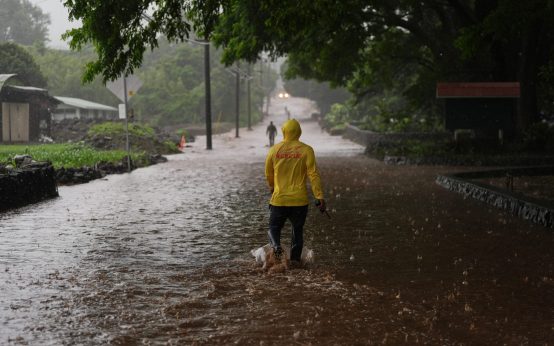 Hurricane Polo Threatens Baja California Sur; Hawaii Faces Impact from Hurricane Nolo