
Understanding the Problem
Presidential systems combined with single-member districts often prompt leaders to centralize power by creating tension and division. This structure can lead to increased polarization, making it harder for democratic processes to function effectively.
Historical Context
Since the days of the Constitutional Convention, the U.S. has struggled with the role and impact of political parties. The framers of the Constitution held a deep mistrust of parties, yet they found themselves operating within them. This historical duality has persisted, oscillating between skepticism and acceptance of party politics.
The Modern Dilemma
Today’s political environment reflects this ongoing tension. Leaders often capitalize on divisive strategies as a means to secure their positions. This approach undermines the principles of liberal democracy and nudge societies toward authoritarian rule.
The Importance of Vigilance
Publications like The UnPopulist
emphasize the importance of defending liberal democracy from authoritarian threats. It is crucial to remain vigilant and proactive in ensuring that political systems foster collaboration and protect democratic values.
 A Mother’s Tragic Journey Under Abortion Ban
  U.S. Strategic Goals Remain Unmet Amid Prolonged Conflict
  The Impact of Arts and Closure on Democracy
 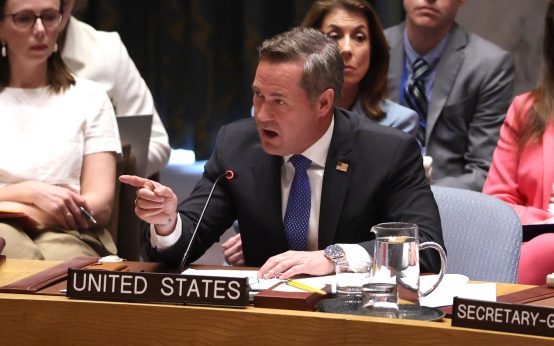 U.S. Ambassador Comments on Iran War Duration Amid Political Concerns
 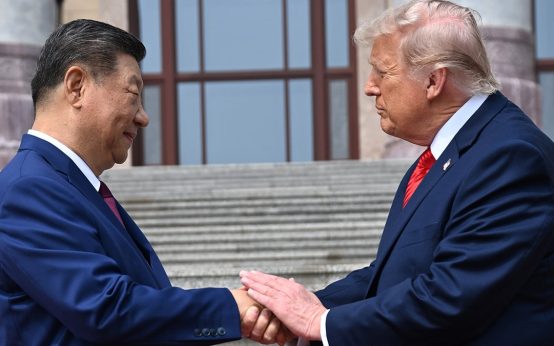 US-China Relations Under Scrutiny: Expert Warns of Escalating Tensions
  No Timeline for End of Iran Conflict