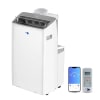
If you want cool air without the hassle of installing a window AC, a portable air conditioner could be a great option. These units are mobile and can efficiently cool a single room. This feature is particularly advantageous for apartment dwellers or those living in varying climates.
Top Picks for Portable Air Conditioners
For this guide, I consulted cooling and appliance experts, gathering advice on choosing the best portable air conditioners. Here’s a list of top units for rooms of any size, featuring brands such as Black+Decker, Midea, and Whynter.
Most Powerful Option
The Whynter model stands out for its power and advanced features. It can efficiently cool large rooms quickly with its dual-hose system, though it might be louder and a bit complex to install. The inverter technology allows it to adjust its operation speed based on the room’s temperature.
Best Budget Choice
The budget-friendly option comes with some compromises. It lacks smart connectivity and the remote control does not display temperature. Despite its power, it may be noisy, which might bother light sleepers as noted by some Amazon reviews.
Ideal for Small Rooms
The Black+Decker air conditioner effectively cools spaces up to 350 square feet. It features multiple settings, including timer, sleep, and auto modes. Whether using the unit directly or the remote, you can adapt it to your cooling needs.
Recommended for Large Rooms
The Dreo air conditioner offers 12,000 BTUs of cooling power, making it ideal for large spaces. Control the unit via touchpad, remote, or mobile app, setting target humidity and automatic schedules. It outperforms many other models for larger areas.
Features to Consider
Experts provided insights on what to look for in a quality portable air conditioner. Here are the key criteria:
- BTUs: Measure of cooling ability. Higher numbers mean more power.
- Functionality: Look for units with washable filters and additional functions like fans and dehumidifiers.
- Portability: Opt for models with built-in wheels for easy movement.
- Ratings: Choose models with at least a four-star rating on Amazon.
Shopping Tips
Portable air conditioners offer flexibility and ease of installation, though they are generally more expensive than window units. Consider placement requirements and maintenance needs, such as draining water and cleaning filters frequently to prevent mold.
Smart connectivity can be a valuable feature for some models, allowing control through a smartphone app. However, they often come at a higher cost.
Understanding BTUs
BTUs measure an AC’s ability to cool a space. More BTUs indicate greater cooling power, but also larger size and price. On average, you’ll need about 20 BTUs per square foot. Here’s a guideline by room size:
- Up to 250 sq ft: 5,000 to 6,000 BTUs
- 250 to 350 sq ft: 7,000 to 8,000 BTUs
- 350 to 450 sq ft: 9,000 to 10,000 BTUs
- 450 to 550 sq ft: 12,000 BTUs
- 550 to 700 sq ft: 14,000 BTUs
Adjust the BTUs based on sunlight exposure, room occupancy, and if placed in a kitchen.
Frequently Asked Questions
Portable air conditioners are standalone units with a vent to a window. They pull air from inside or outside, cool it, and circulate it in your room, expelling hot air outdoors.
Meet Our Experts
Dr. John McKeon, CEO of Allergy Standards, and Carl Prouty, technologist at Abt, provided their expertise for this article.
Stay informed with NBC Select’s comprehensive coverage on tech, wellness, and more. Follow us on social media for updates.
 Debate Continues Over Virginia’s Data Center Energy Plans
  Trump Suggests Renaming AI to ‘Super Intelligence’
  The Rise of Data Centers and AI Development
  How China Uses AI to Challenge U.S. Dominance
 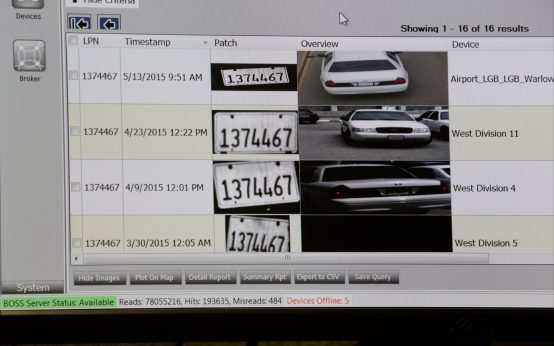 Controversy Surrounding Automated License Plate Readers (ALPRs)
 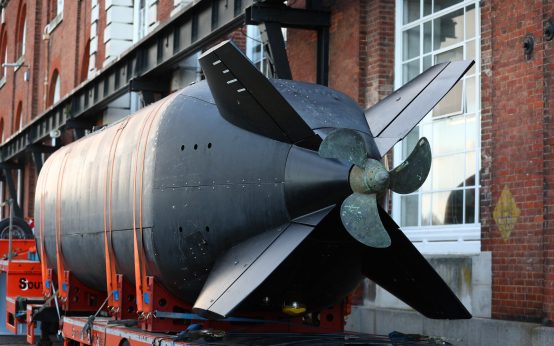 U.K. Test-Fires U.S. Torpedo from XV Excalibur