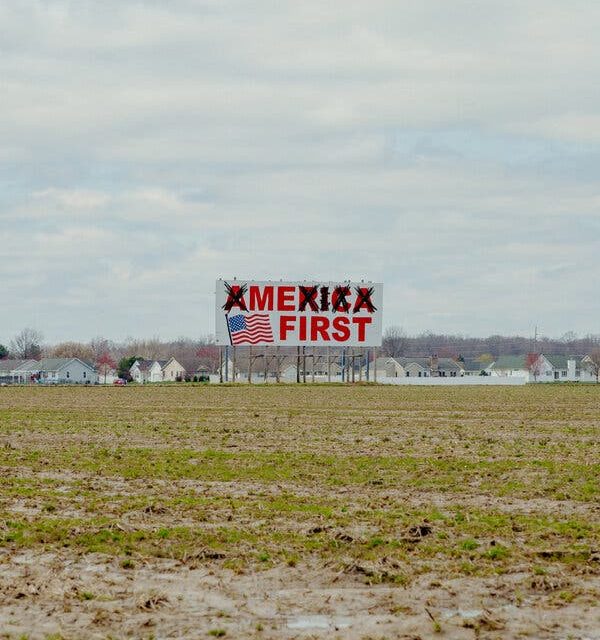
Stephen Marche, the author of “The Next Civil War,” discusses the unexpected developments in global geopolitics as countries navigate the changing world order induced by the actions of the United States. Writing from Toronto, Marche explores the implications of these shifts.
The Impact of America’s Policy Changes
President Trump’s policies have caused significant changes in international relations. Starting with the annexation threats towards Canada, along with tariffs on allies, and undermining NATO, nations have had to reassess their positions. What initially sparked outrage now fosters a sense of resilient optimism among former U.S. allies.
Canada’s Response to Economic Challenges
As America’s neighbor, Canada was among the first to experience the effects of these shifts. The United States imposed harsh trade policies, leading Canada to reevaluate its economic ties. A scenario by the Bank of Canada suggests a severe impact but not catastrophic. American tariffs could slow Canada’s GDP growth by 2.4 percentage points, but the country has strategies to adapt.
A study from the Canadian Shield Institute reveals that while Canadian merchandise exports to the U.S. dropped by over 30 billion Canadian dollars, there was a compensating rise in global demand. Total exports increased by 7 billion Canadian dollars when services were included, demonstrating Canada’s ability to find new markets.
Europe’s Strategic Shifts
European equities have outperformed American equities in recent years. The European Defense Industrial Strategy and other strategic moves ensure more military spending stays within Europe. The EU’s anti-coercion mechanism also forces the U.S. to reconsider aggressive trade stances, evident when Trump retreated from confrontations over Greenland.
Military Threats and Their Waning Influence
The diminishing impact of American military threats is another critical aspect of the current world order shift. Historical trends show American military interventions often fail to meet their political objectives, as seen in Iran’s enduring regime amidst sanctions relief. Gulf states have reassessed the value of American security guarantees.
NATO’s Dynamics Amid U.S. Pressure
The NATO meeting in Ankara reflected the current geopolitical tensions, with Trump pressuring allies for increased defense spending while threatening control over Greenland. Yet, Spain and Denmark perceived these threats as hollow. Canada’s Prime Minister suggests that increased defense spending across NATO may stem from recognizing the retreat of American military power.
The evolving world order challenges the role of the U.S., prompting other countries to adjust and adapt strategically. While American support becomes increasingly uncertain, global powers find new ways to ensure their security and prosperity.
 The Cost of Challenging Beijing
 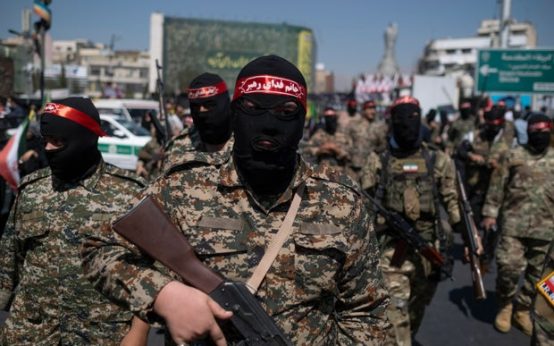 Tensions Escalate in Iran Conflict as Global Leaders Weigh Options
 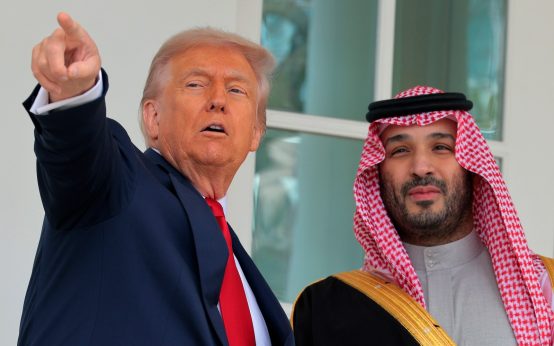 White House Approves F-35 Sales to Saudi Arabia Amidst Regional Tensions
  Inside the Secret Deals Powering the President’s Push to Deport Migrants to Countries Not Their Own
  Navigating the Challenges of Third-Country Deportations
  Midair Altercation on Bangladesh to London Flight