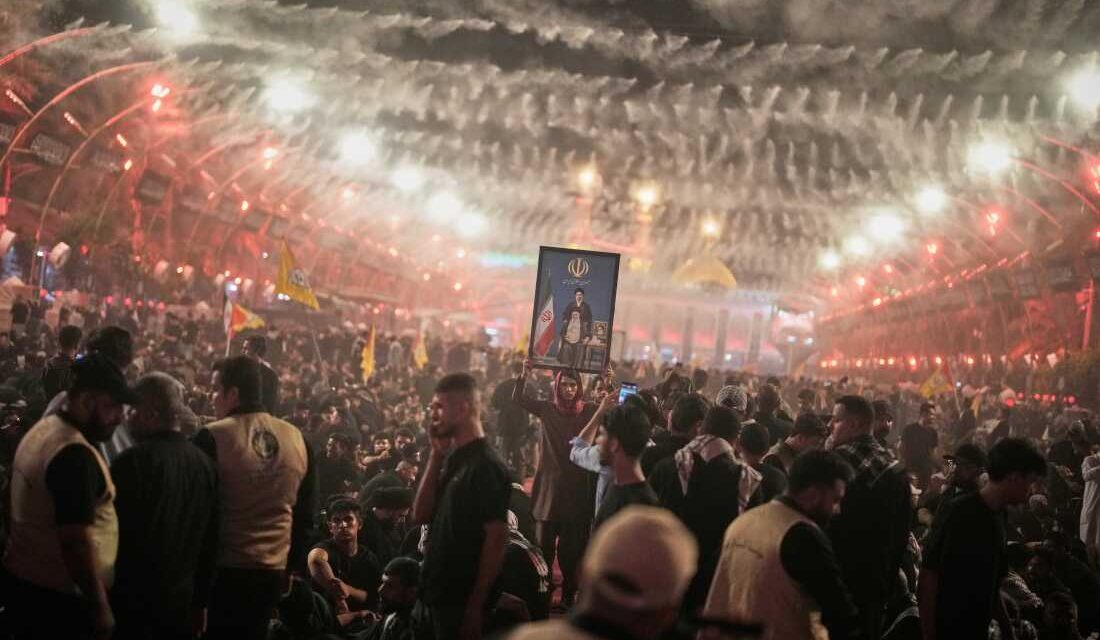
Military Escalation in the Gulf: Recent airstrikes launched by the United States against Iran heightened tensions in the already volatile Persian Gulf region. Iran’s retaliation targeted Bahrain, Kuwait, and Qatar, endangering an interim agreement aimed at ending ongoing hostilities.
Recent Developments: The conflict escalated after U.S. President Donald Trump declared the end of the ceasefire, citing Iranian attacks on ships in the Strait of Hormuz. These actions prompted a series of U.S. strikes on Iranian military sites and port facilities. The strikes intended to impair Iran’s capability to disrupt the movement of ships through a vital global trade route.
Iran’s Response: Iran’s Revolutionary Guard acknowledged attacks on Bahrain and Kuwait, escalating regional tensions. Iranian state media reported explosions across several cities, including locations housing critical infrastructure. State media also confirmed casualties, including fatalities in Khuzestan province.
U.S. Military Action: The U.S. Central Command authority reported targeting approximately 90 sites. This included footage of strikes on airport runways and missile launch sites. The U.S. emphasized its preparedness and commitment to protecting navigation freedom.
Impact on Regional Stability: The attacks have sparked concerns about a potential return to open conflict. President Trump suggested that such actions would provoke a swift U.S. military response unless Iranian aggression halts. This announcement saw a sudden increase in oil prices, adding economic pressure to the mounting political strain.
Negotiations Under Threat: Talks aimed at establishing a lasting peace are jeopardized amidst continuing military actions. The fatal consequences and extensive damage caused by the recent attacks raise questions about the feasibility of any enduring negotiation.
Political Divides: Within Iran, a division emerges between hard-liners focused on maintaining control over the Strait of Hormuz and pragmatists seeking relief from international economic sanctions. These internal divisions complicate efforts to reach a permanent peace deal.
The Road Ahead: As negotiations aimed at resolving the conflict are planned to commence after the funeral of Ayatollah Ali Khamenei, the potential for an expansive peace agreement remains under doubt. The ongoing developments in the Persian Gulf reflect deeper geopolitical struggles and the challenging path ahead in achieving regional stability.
 Gorillaz and Macklemore Respond to Controversy Over Israel-Palestine Statements
 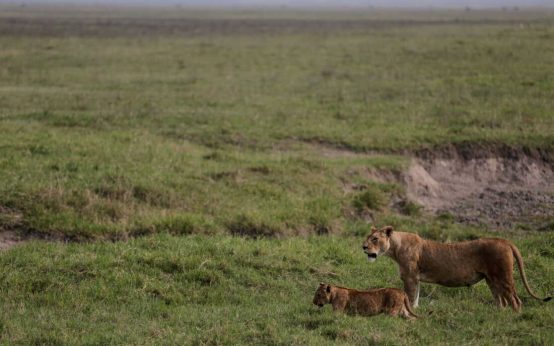 Investigation into Lion Deaths in Tanzania
 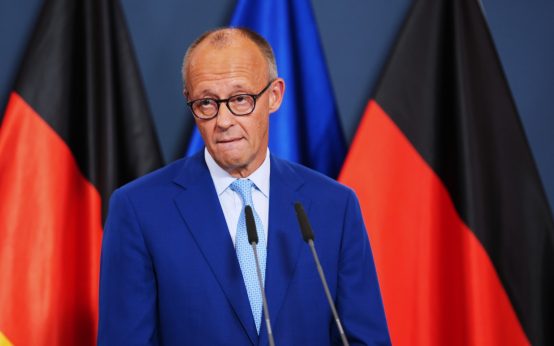 Merz Stays Resolute Amid Electoral Shifts in Germany
 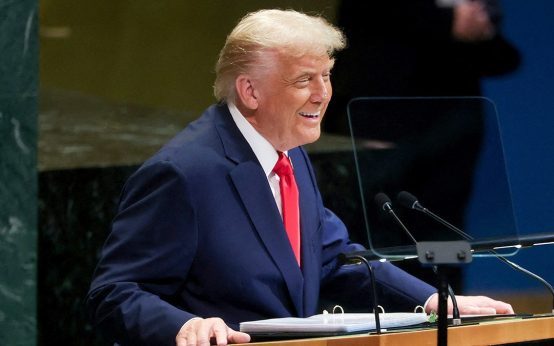 U.S.-Iran Relations and Diplomacy at Upcoming U.N. Assembly
 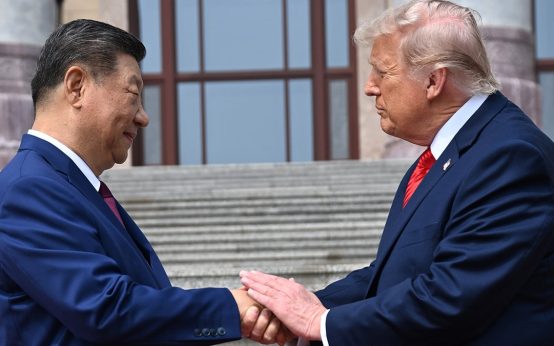 US-China Relations Under Scrutiny: Expert Warns of Escalating Tensions
 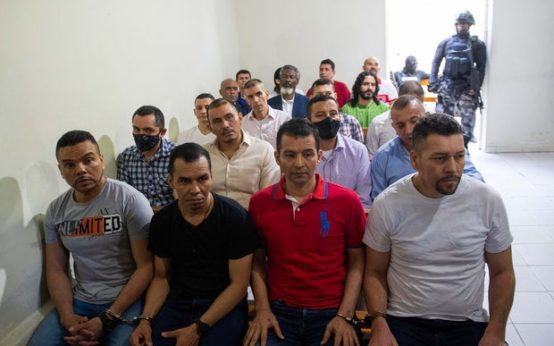 Extradition of Suspects in Haitian President’s Assassination