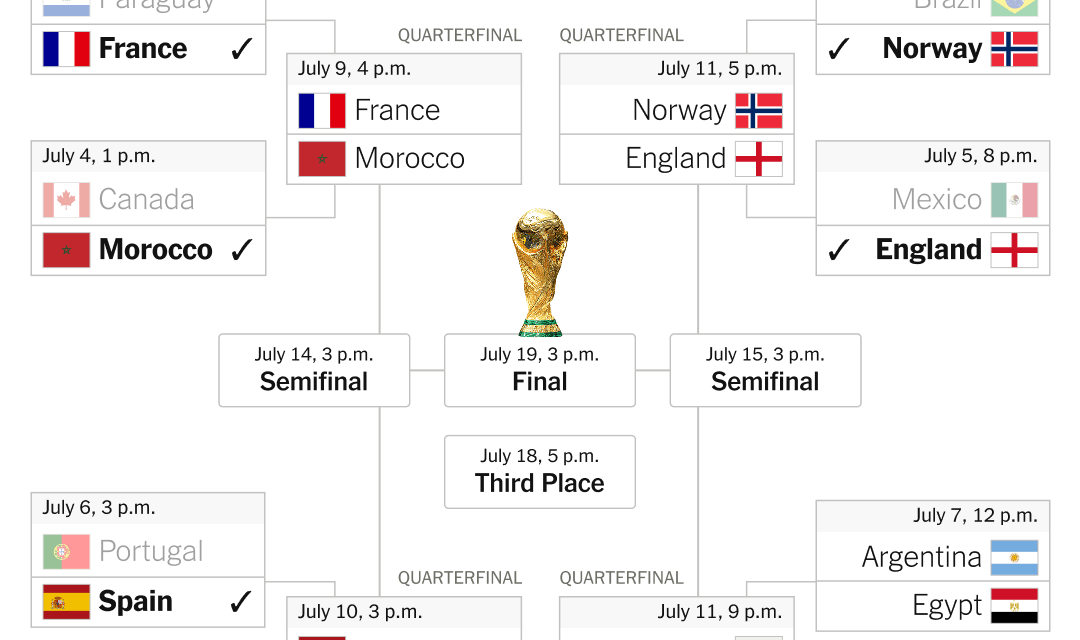
The U.S. men’s national soccer team entered the World Cup round-of-16 matchup against Belgium with hopes of reaching the tournament’s quarterfinals—a feat not achieved since their run in 2002. Unfortunately, the journey ended with a decisive 4-1 defeat at Lumen Field.
Early Promise Turns to Disappointment
Forward Folarin Balogun, who became the center of controversy due to his red card suspension being revoked by FIFA, featured in the match. Despite his presence, the U.S. team’s World Cup hopes were dashed with a performance that left much to be desired.
Belgium took the lead early in the ninth minute, with Charles De Ketelaere capitalizing on defensive mistakes by the U.S. The game turned in Belgium’s favor again shortly after Malik Tillman’s equalizing free-kick, with De Ketelaere outmuscling U.S. veteran Tim Ream to score. Errors continued as U.S. goalkeeper Matt Freese made a costly mistake, allowing an easy goal from Hans Vanaken in the 57th minute. Romelu Lukaku sealed Belgium’s victory in stoppage time.
The defeat marked a disappointing end to a U.S. campaign that had promised so much. Despite the talented roster, Belgium’s skill outmatched the Americans.
Squandered Opportunity
This World Cup offered the U.S. team an unprecedented chance to showcase their talent to millions of fans. Unfortunately, the occasion proved too much. Instead of rising to the challenge, the team performed poorly.
The U.S. had been favored to defeat Belgium, a formidable but not overwhelmingly superior opponent. The team’s performance harked back to previous defeats against top European teams like the Netherlands and Belgium. Their 4-1 loss highlighted that progress in American men’s soccer might have been overestimated.
Despite the loss, this World Cup had its bright moments. Players like Weston McKennie and Folarin Balogun showcased their skills. But the abrupt end was a letdown.
Sloppy Play
Throughout 360 minutes of play against various opponents, U.S. players exhibited energy and intensity. Monday night’s match, however, showed the opposite. Mistakes were rampant, and sluggishness plagued their play.
Defensive errors allowed Belgium’s opener. Key players like Christian Pulisic and Tyler Adams saw unusual lapses, with possessions lost on simple plays. The team’s pressing, which succeeded against weaker opponents, fell short against Belgium’s quality.
Balogun’s Impact Limited
Folarin Balogun’s controversial appearance on the pitch followed a FIFA decision suspending his red card ban. Despite moments of promise, he was mainly ineffective due to Belgium’s tight defense.
Balogun had a scoring chance saved in the 82nd minute. His performance faced scrutiny, a reminder of challenges remaining for the U.S. team.
Pulisic’s Injured Exit
The World Cup began with high hopes for Christian Pulisic, whose early performance had been impressive. However, injuries hampered his contributions. A calf injury caused him to miss a match against Australia and limited his impact against Belgium.
Pulisic didn’t manage to score during the World Cup, leaving an unfulfilled potential.
Error-Prone Goalkeeping
Goalkeeper had been a concern for the U.S. team entering the tournament. Starting an MLS-based goalkeeper for the first-time-evidence showed why this was a risk.
Matt Freese was selected over Matt Turner for the starting role. Unfortunately, Freese faced difficulties, with costly errors during key moments in the match against Belgium.
His mistake outside the box led to Belgium’s third goal, compounding the U.S. team’s problems. This error lessened hopes of a comeback with Belgium’s two-goal lead.
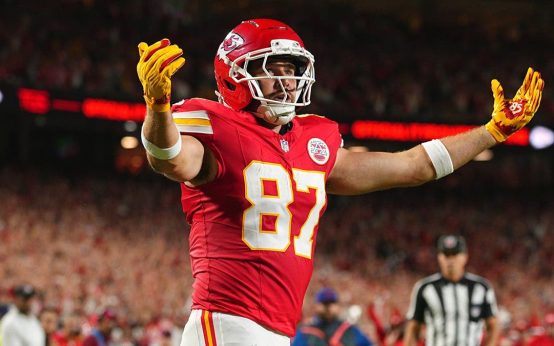 Travis Kelce Sparks Excitement at Arrowhead Stadium
 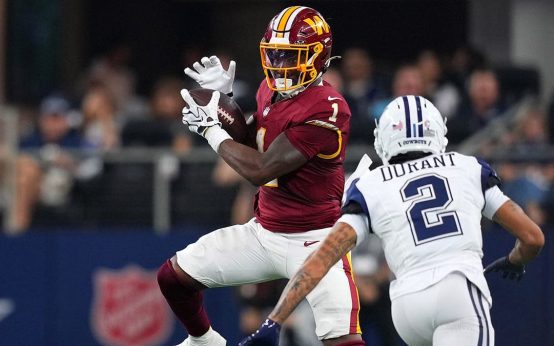 Dallas Cowboys Defeat Washington Commanders Amid Player Injury
 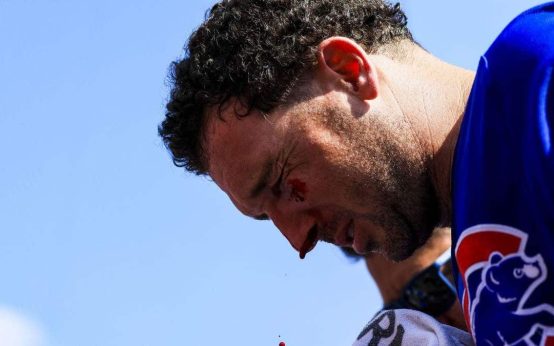 Chicago Cubs’ Alex Bregman Suffers Facial Injury from Foul Ball
 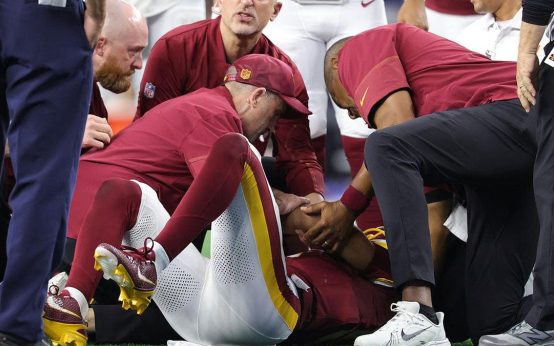 Washington Commanders Face Major Setback as QB Jayden Daniels Suffers Elbow Injury
 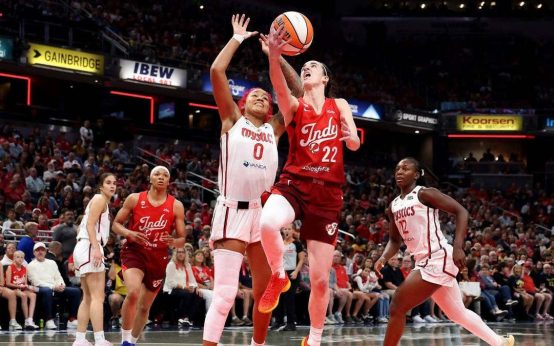 Indiana Fever’s Struggles Against Washington Mystics
 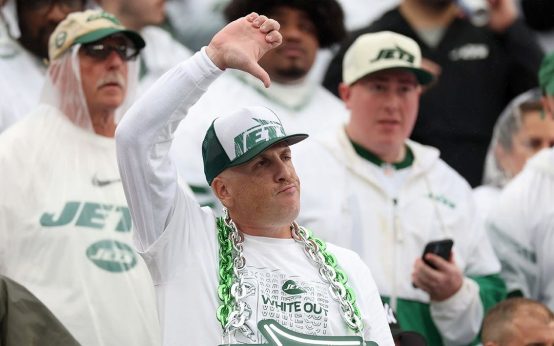 New York Jets Fall to Green Bay Packers After Fourth-Quarter Collapse