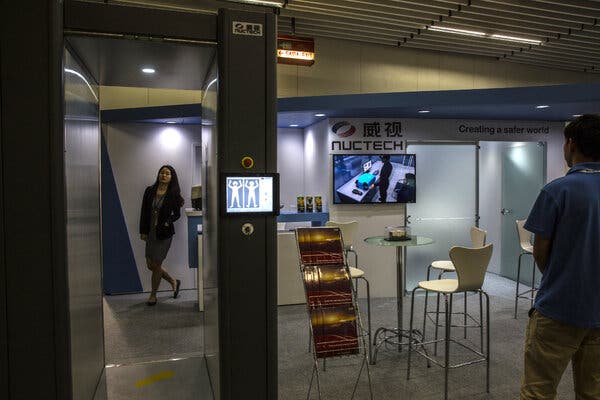
Nuctech, a Chinese security equipment manufacturer, has grown from a state-backed start-up to a major global player in border-security technology. This rise has sparked controversy and trade disputes. The company has been implicated in a range of investigations worldwide.
On a brisk April morning in 2024, European investigators raided two offices of Nuctech in search of evidence of unfair competition practices. Authorities confiscated laptops, mobile phones, and documents, seeking proof of competitive advantages that Nuctech may have obtained in its bid to supply border control technology across Europe. This company was once led by the son of China’s former president, Hu Jintao.
Nuctech’s reach is extensive. Its security systems are installed at airports and seaports in over 170 countries. However, its dealings have not gone without scrutiny. The company has faced corruption investigations in Namibia and the Philippines, is flagged for cybersecurity concerns in Canada, and is listed on a U.S. security blacklist.
European Union’s frustration is growing over Chinese companies’ dominance in various industries. Nuctech has become a focal point for European politicians concerned about protecting local jobs and companies, especially industries vulnerable to espionage or cyber threats. The European Commission, the EU’s executive arm, is looking into whether Chinese state support grants an unfair edge in global trade.
This probe uses a new legal framework targeting public tenders by companies like Nuctech. Other implicated industries include the production of electric vehicles, solar panels, and wind turbines. In contrast, China claims these investigations are illegal and unfairly target Chinese enterprises.
Since the 2024 raids, the European Commission has launched a deeper investigation. This may result in sanctions such as divestments or bans. In response, China’s Ministry of Justice has directed Nuctech to resist cooperation with the investigation.
 Data Centers in Virginia face Growing Opposition
  Texas Leads Air Taxi Innovation with Project Nexus
  The Cost of Challenging Beijing
  Experts Warn Against Alarmism in AI Governance
 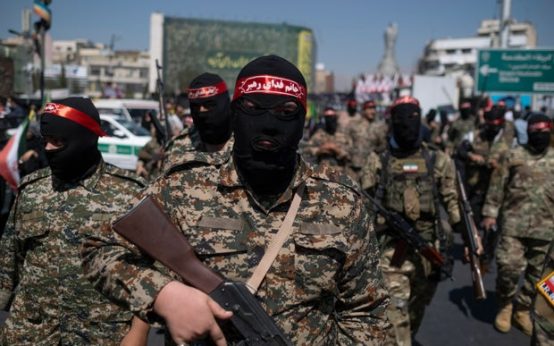 Tensions Escalate in Iran Conflict as Global Leaders Weigh Options
 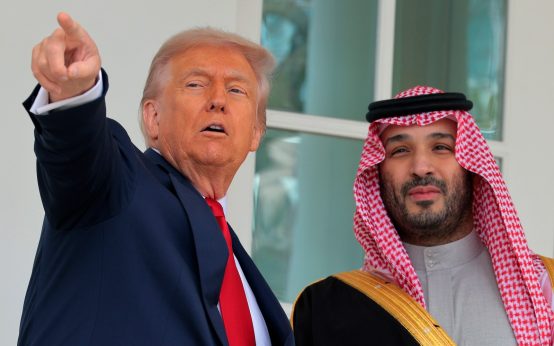 White House Approves F-35 Sales to Saudi Arabia Amidst Regional Tensions