Donald Trump reshaped the Republican Party in his image. Many GOP members who opposed him have been pushed to retirement by MAGA voters. Now, establishment Democrats are facing similar challenges.
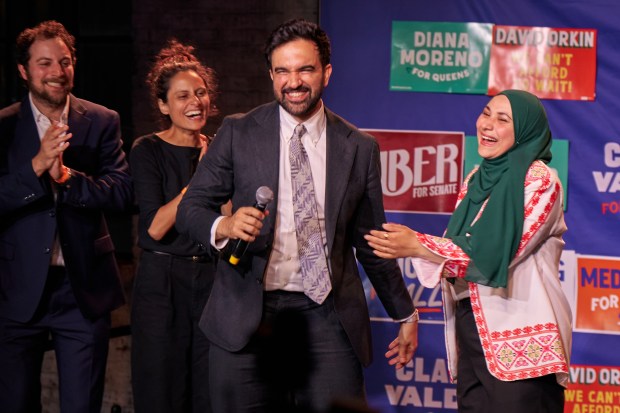
Recently, democratic socialist candidates endorsed by Zohran Mamdani unseated Democratic incumbents in New York. Mamdani’s influence has drawn comparisons to Trump’s. In Colorado, Democratic Rep. Diana DeGette lost to Melat Kiros, a 29-year-old democratic socialist, despite Kiros’ controversial views.
Darializa Avila Chevalier, a Mamdani-backed victor in New York, expressed radical opinions on U.S. border policies and voting rights for noncitizens. She attended a controversial rally following the Hamas attacks, drawing criticism even from Governor Kathy Hochul.
“The view of bordering is a modern construct,” Chevalier stated, challenging traditional perspectives on immigration.
The GOP could use these controversies in attack ads. Democratic primary voters in urban areas show frustration with establishment figures by supporting younger, more radical candidates. Establishment Democrats may struggle with these ideological shifts.
The majority of Americans aren’t socialists and remain wary of extreme politics. Chevalier’s deleted tweets revealed socialist rhetoric. She claims to have moved on, but evidence is lacking.
The Democratic Party appears unsure of how to respond. Socialists like Mamdani and Bernie Sanders challenge incumbents such as New York Reps. Dan Goldman and Adriano Espaillat.
As Trump pushes the Republican Party rightward, democratic socialists are doing similar in their party. This shift creates challenges for centrist voters who feel politically homeless.
Democratic Socialists of America’s successes are largely in blue urban areas. In suburban locations, establishment Democrats prevail. An example is Chicago’s 9th Congressional District race, where suburban votes favored Democrat Daniel Biss over socialist influencer Kat Abughazaleh.
Centrist Democrats struggle to counter the DSA’s defined positions. Their stance on issues like “Medicare for All,” taxing the rich, and abolishing ICE resonates with urban voters but may alienate those in battleground states.
Bernie Sanders suggests DSA victories indicate a potential political revolution. However, this message may not resonate in middle America.
Gallup reported 45% of Americans identify as independents, the highest ever recorded. Many voters crave stability and practical solutions while major parties narrow their bases.
Centrist Democrats need to assert their positions quickly. The rise of DSA candidates could leave more voters feeling politically orphaned. Liberal Jewish voters may resist candidates linked to controversial views on Hamas.
Centrist Democrats must act swiftly. The socialist faction is advancing. The landscape demands timely intervention to broaden electoral appeal.
 Universities Should Reject Political Influence on Research Funding
  Trump’s Approach to China: Trade Dynamics and Challenges
  Media Outlets Sue After White House Ban
  American Public Opinion on Press Freedom
  Media Lawsuit Against Trump Administration for White House Ban
  The Cost of Challenging Beijing