
Eric Dillon experienced recurring shoulder pain and initially attributed it to a strained rotator cuff. Despite an orthopedic doctor’s assessment and some physical therapy easing the discomfort, the pain persisted. While performing yard work in May 2024 at his Houston home, Dillon felt intense pain, prompting another visit to the orthopedist. An MRI revealed concerning results, leading to an oncologist referral.
Dillon was surprised during his oncologist appointment to learn that his shoulder pain signaled multiple myeloma, a blood cancer. Swift action by his wife secured an appointment at MD Anderson Cancer Center in Houston, Texas, where further tests confirmed his diagnosis and initiated a treatment plan. Dillon realized the pain had been an early warning.
“I walked in, and she was like, ‘You know why you’re here?’ I was like, ‘I’ve got a referral from another doctor to see you,'” Dillon remembered.
Dr. Hearn Cho, an oncologist uninvolved in Dillon’s treatment, explained multiple myeloma impacts plasma cells, affecting blood formation, causing anemia, kidney damage, and bone issues, explaining Dillon’s shoulder pain. Misdiagnosis is common as symptoms mirror musculoskeletal issues.
Multiple myeloma affects about 20% of Black patients, despite them being only 4% of the U.S. population. Black patients also often develop the disease earlier.
Treatment and Clinical Trials
Starting treatment quickly reassured Dillon, who eagerly joined a clinical trial. He appreciated the control and understanding it provided. Cho highlighted that Black patients are often underrepresented in clinical trials, persisting in myeloma research despite its prevalence in Black communities.
Dillon underwent eight treatment cycles, adjusting work to balance his engineering consulting and treatment. He documented his journey daily. Minor side effects led to dosage adjustments, refining the trial. Dillon completed the trial, and further radiation removed remaining cancer in his shoulder, alleviating his pain.
“From that point forward, everything seems to have gone well,” Dillon said.
Looking Ahead
Now in remission, Dillon routinely sees his oncologist and takes daily medication. Future treatment might include stem cell replacement, but currently, he focuses on family, enjoying time with loved ones and his new grandchild.
Dillon aims to raise awareness about multiple myeloma symptoms and speed diagnoses. Collaborating with the Multiple Myeloma Research Foundation and encouraging others to explore research options furthers this goal. He emphasizes that treatment options exist for this cancer.
“The future is bright. The opportunities are bright,” Dillon stated.
 Measles Exposure in Philadelphia Raises Health Concerns
  Lawsuits Claim Vision Loss Risk from GLP-1 Medications
 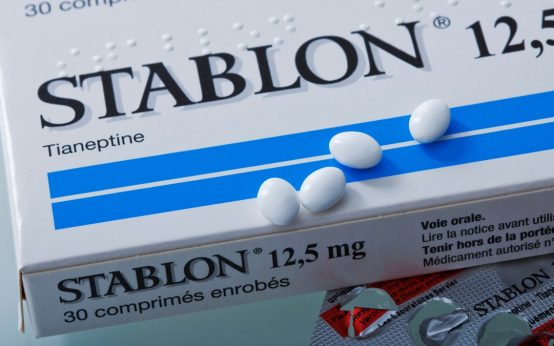 States Tighten Regulations on Tianeptine, Known as ‘Gas Station Heroin’
  Medicare Lab Test Payments: Upcoming Changes and Their Implications
  Gen Z Faces Economic Barriers to Dating and Intimacy
  Understanding and Preventing Suicide: A Public Health Priority