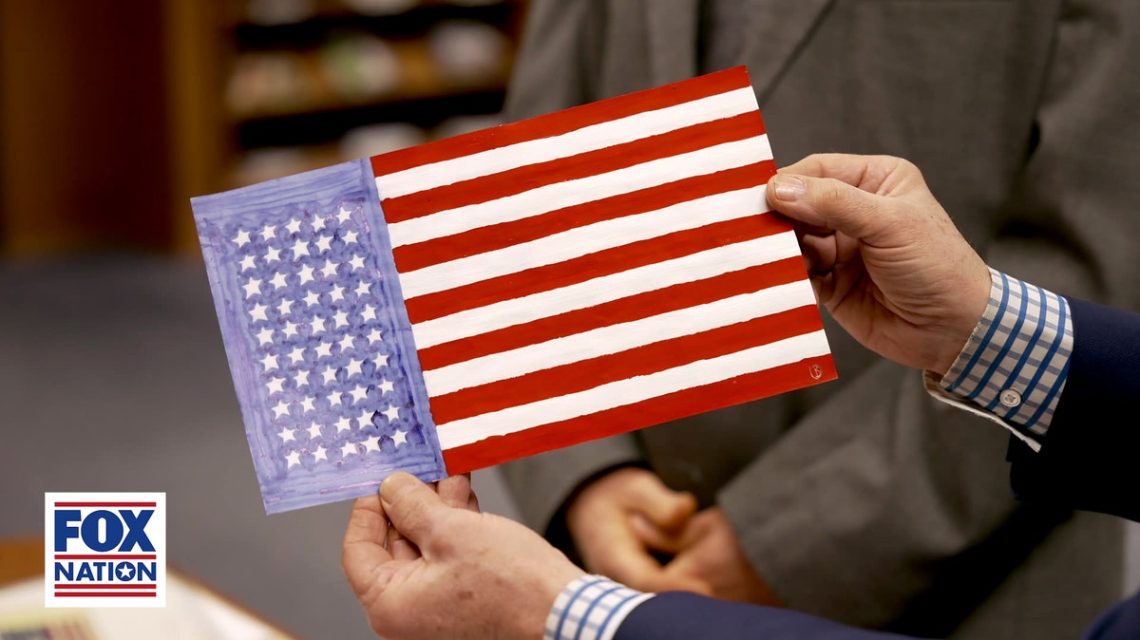
The American flag is a familiar emblem, yet its design journey could have taken a route you might not expect. In 1958, amid discussions of adding two states, the Eisenhower administration received numerous design ideas for a new 50-star flag.
Dr. Jim Ginther, archivist at the Dwight D. Eisenhower Presidential Library, highlighted the surge in public interest. “People began sending in ideas for how the new flag should look.” Designs arrived from across the U.S. and beyond, with significant contributions to the White House and the Army’s Quartermaster Corps.
Over 1,900 submissions arrived at the White House before the final 50-star flag was chosen, according to the Eisenhower Library.
The story of the new flag is explored in “Crazy American History with Eric Shawn,” a series on Fox Nation now streaming. Alaska’s admission added the 49th star in January 1959; Hawaii’s entry brought the 50th star. The updated flag first flew on July 4, 1960, at Fort McHenry, Baltimore, where the 1812 bombardment inspired “The Star-Spangled Banner.”
President Eisenhower’s administration embraced flag submissions, receiving over 1,900 proposals, many originating from schoolchildren influenced by “My Weekly Reader.” Adults nationwide and internationally also contributed.
A proposed 50-star U.S. flag with a starburst layout is showcased at the Eisenhower Library, part of the design submissions.
Submissions diverged widely, from basic pencil sketches to intricate drafts and sewn cloth flags. The Eisenhower administration used this phase to educate Americans on flag history and etiquette, responding to each submission with a letter from a senior White House official.
The Continental Congress enacted the original flag design on June 14, 1777, celebrated as Flag Day. Betsy Ross is often credited with crafting the first flag, featuring a circle of 13 stars for the 13 colonies.
Ginther noted, “The flag’s star layout never had strict guidelines, resulting in unique and intriguing designs.” Despite interest in innovative designs, fundamental changes faced challenges due to the sentimental value and symbolism of the existing flag, particularly for the military.
“While many sought a redesign,” Ginther stated, “altering the flag on a large scale bears costs and impacts the symbol’s integrity.” Ultimately, Eisenhower selected a design with two new stars in alternating rows on the blue field, a familiar arrangement ever since.
The flag proudly represents American ideals and freedoms at national celebrations, marking the country’s 250th birthday.
 Lonnie G. Bunch III Reflects on His Legacy at the Smithsonian
 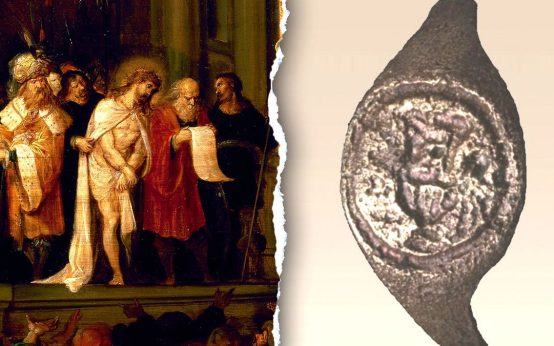 Ancient Ring Offers New Insight on Pontius Pilate’s Authority
  Discovery of WWII POW Documents in New York
  Tunnel to Towers: Honoring 9/11 Heroes Through Service and Education
  The Pentagon Memorial’s Ongoing Visitor Center Delays
  Confederate Monuments Removed in Richmond: Historical Context Explored