Researchers have made a discovery about how bacteria construct compounds that fight cancer, offering hope for faster development of new treatments. This study, found in Nature Communications, explains how various enzyme systems connect to form a group of drugs called HDAC inhibitors. These inhibitors halt cancer cell growth.
Dr. Munro Passmore from the University of Warwick told Newsweek that this finding could greatly speed up the development of potential drug candidates. It makes manufacturing promising drugs at scale and reasonable cost feasible. However, he noted that any innovative treatments would still need time to become available to patients.
“The most promising candidates will still need to go through preclinical testing, further refinement, and clinical trials before they can be approved for patient use,” Passmore explained. “This process can take up to a decade and cost over $1 billion.” Romidepsin, a drug for certain blood cancers, belongs to this drug family.
Scientists have observed that bacteria generate similar compounds with slight differences, but the origins of these variations were unclear until now. The breakthrough centers on combinatorial biosynthesis, where bacteria craft various molecules by combining biochemical elements. Key molecules owe their creation to large enzyme complexes operating like assembly lines.
In bacteria, systems like polyketide synthases (PKSs) and nonribosomal peptide synthetases (NRPSs) combine chemical building blocks to create complex substances, such as antibiotics and anticancer drugs. The study targeted a hybrid system producing depsipeptide HDAC inhibitors. These inhibitors share a core structure but vary in one peptide segment attached.
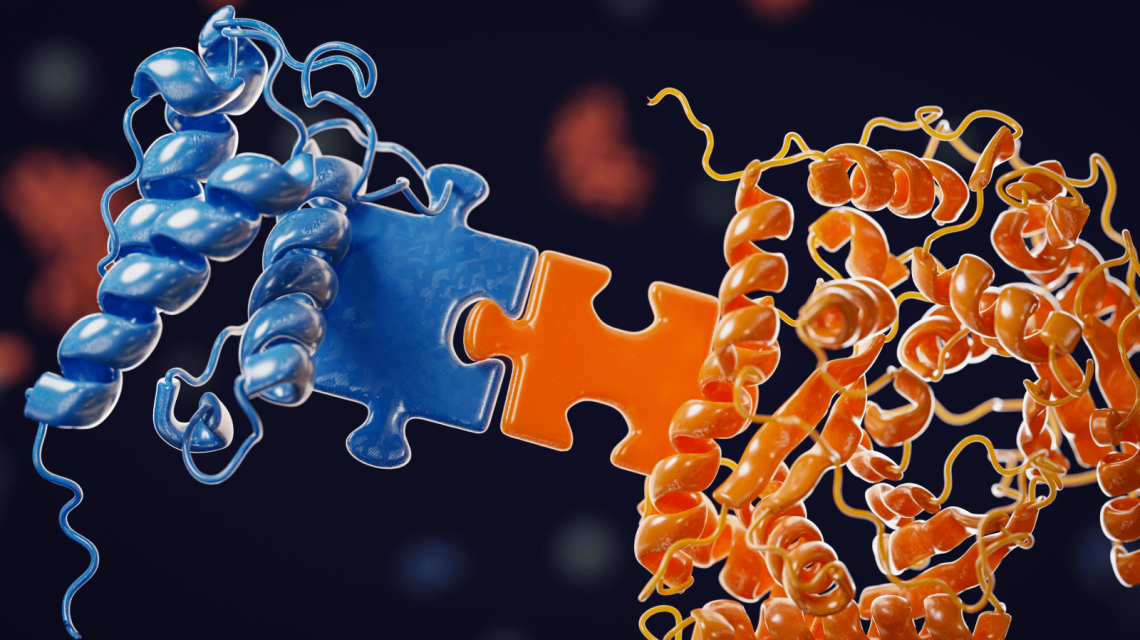
These structural modifications impact drug interactions with their targets. The study uncovered that enzymes forming the core structure and those attaching the peptide segment can physically connect through distinct docking interactions. This interaction allows the molecular machinery to work together to formulate new drug-like compounds.
A pivotal discovery involved understanding how these enzyme components recognize and bind to each other. The research team identified the β-hairpin docking (βHD) domain as vital to allowing one enzyme system to connect to another, passing intermediate molecules along an assembly line. Experiments showed that breaking this link halts the production of the target compound, highlighting its significance.
The researchers demonstrated that enzyme systems from different biosynthetic pathways could interact, indicating a flexibility that might be harnessed to invent new compounds. Professor Greg Challis from the University of Warwick noted this adaptability could be crucial for addressing hard-to-treat cancers.
“Initial indications suggest that drugs created through the ‘mix-and-match’ mechanism show promise against several cancer types that resist current treatments,” Professor Challis stated in Newsweek. “Using this mechanism in labs may lead to discovering new drug class members with improved clinical potential, and production should be scalable for pre-clinical and clinical exploration.”
 Chicago’s Rookery Building: A Landmark in Skyscraper Evolution