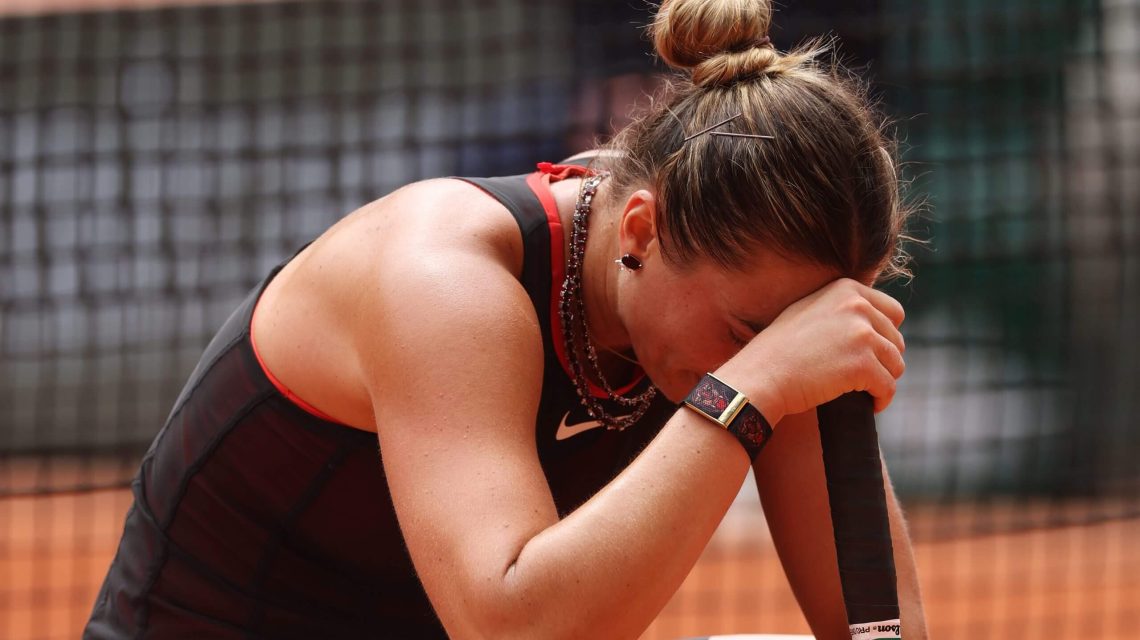
Aryna Sabalenka and her team are no strangers to dealing with the aftermath of Grand Slam disappointments. Following her recent unexpected loss at the French Open to Diana Shnaider, Sabalenka faced yet another introspective moment. After her dramatic quarterfinals loss where she faltered after being two points away from victory, Sabalenka expressed a momentary desire to quit tennis during a news conference.
Despite these challenging emotions, Sabalenka and her team understood the need to quickly regroup. With Wimbledon just weeks away, the focus was on getting back on track. This type of reset is familiar to Jason Stacy, her mental and physical performance coach, who reminded the team that Sabalenka has navigated similar situations before.
“Now it very rarely happens,” Stacy explained, acknowledging the cyclical nature of such setbacks and the familiarity of the process.
The recovery process after each setback involves a close-knit team, which includes her main coaches, such as Anton Dubrov, physiotherapist Helen Murawska, and Sabalenka’s fiancé Georgios Frangulis. Together, they engage in a candid analysis of what went wrong, always asking the same fundamental questions to understand the breakdown.
A period of recuperation followed, allowing the team to disconnect. Sabalenka sought solace in Vienna with Frangulis, while others pursued individual breaks. The downtime is essential before they dive back into finding solutions for effectively handling pressure, like trying new mental tools.
In a move showing progress, Sabalenka displayed strong performance in her first match back at Wimbledon against Teodora Kostović. This match indicated that she could channel her experiences positively.
Stacy, who has a background in martial arts, emphasizes the importance of trust and freedom within their team. His philosophy involves building an environment aligned with Sabalenka’s values and allowing her to take ownership of her journey.
“It’s hers, and it has to be that way,” Jason Stacy shared, regarding Sabalenka’s approach to dealing with pressure.
Sabalenka herself embraces simplicity amid challenges, acknowledging that growth comes from a supportive environment. While acknowledging her imperfections, she focuses on moving forward constructively.
During a news conference, Sabalenka shared that her initial response to the French Open loss was a natural need for time away from tennis. With a refreshed mindset, she re-engaged with her psychologist to prepare mentally for future tournaments.
Reflecting on past experiences, Sabalenka has learned to navigate the complexities of tennis, such as when losing to Gauff in the French Open final, a match characterized by intense weather conditions and emotional stress.
After the loss, she opted for reconciliation, even participating in a light-hearted TikTok video with Gauff. The experience became a learning opportunity.
In moments of pressure, Sabalenka learned to manage her emotions and stay composed, as exemplified in her U.S. Open final performance against Anisimova.
This season has been mixed, with significant victories like at Indian Wells and Miami Open. However, close losses continue, revealing the ongoing challenge in mastering consistency.
Dubrov, Sabalenka’s long-standing coach, often questions his role as a means to ensure he’s meeting her needs. Introducing Max Mirnyi has diversified the coaching approach, reminding Sabalenka that every match holds potential for new strategies.
The recent loss to Shnaider brings into focus the challenges Sabalenka faces on clay and grass courts, surfaces where she has had less success.
With a team well-versed in Sabalenka’s journey, any struggle or injury, like her hip and back issues, becomes a part of managing her career lifespan. Her team aims to evolve without drastic changes, confident that sticking to the fundamentals can navigate difficult times.
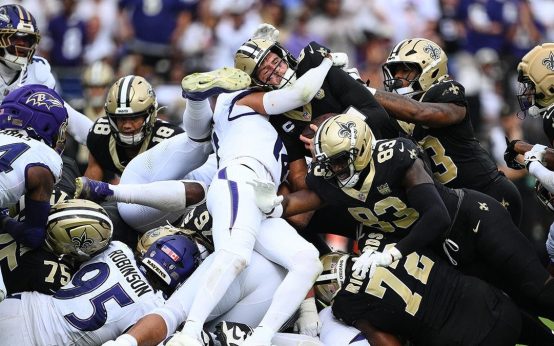 Saints’ Tyler Shough Leads Team to Win Amid Controversial Call
  NFL Week 2: Key Insights From Each Game
 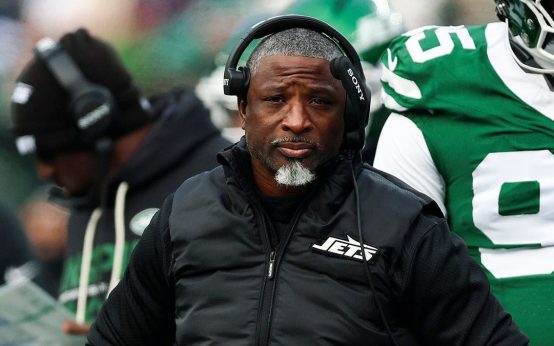 Jets Coach’s Clock Management Sparks Debate
 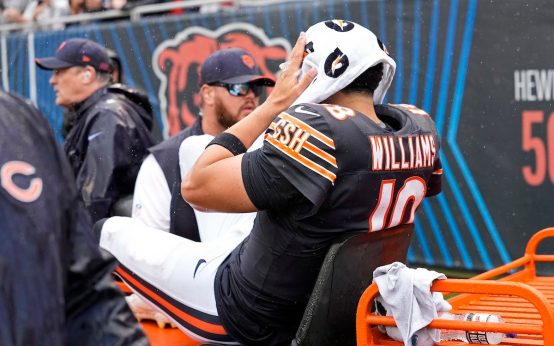 Chicago Bears Struggle After Caleb Williams’ Injury
  Jayden Daniels Suffers Elbow Injury; Marcus Mariota Set to Start
  Significant Events in Chicago History on September 21