
The U.S. Supreme Court ruled 6-to-3, upholding laws from West Virginia and Idaho that prevent transgender female athletes from joining girls’ and women’s sports teams. This decision has repercussions for 25 other states with similar laws, impacting school and collegiate sports nationwide.
The ruling aligns with actions from the previous Trump administration, which supported these state bans and directed federal agencies to halt funding for schools allowing transgender athletes in women’s sports. This move is part of a broader national reduction in transgender rights.
The cases drew widespread attention, including input from Olympians and elite athletes who submitted legal briefs. The International Olympic Committee has banned transgender athletes from the women’s category in the Olympics and requires genetic testing for participants. Similarly, the NCAA decided last year to exclude transgender women from women’s sports competitions.
Becky Pepper-Jackson, a West Virginia high school student, and Lindsay Hecox, a college student in Idaho, contested their states’ laws. These laws stipulate that sports team participation for girls must be based on ‘biological sex,’ meaning the sex assigned at birth.
The decision revealed ideological divides within the court, with the conservative majority favoring states’ rights to determine eligibility based on birth sex. This ruling sets a significant precedent for how transgender athletes’ participation in sports will be governed across the United States.
 Travis Kelce Sparks Excitement at Arrowhead Stadium
  Dallas Cowboys Defeat Washington Commanders Amid Player Injury
  Chicago Cubs’ Alex Bregman Suffers Facial Injury from Foul Ball
 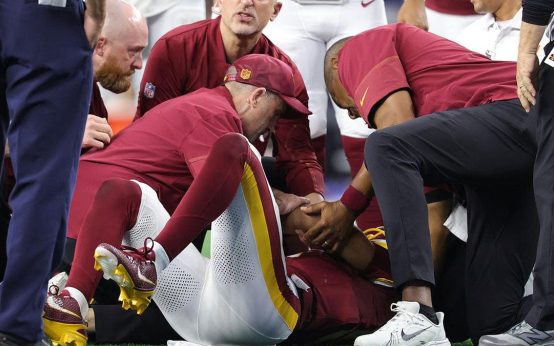 Washington Commanders Face Major Setback as QB Jayden Daniels Suffers Elbow Injury
 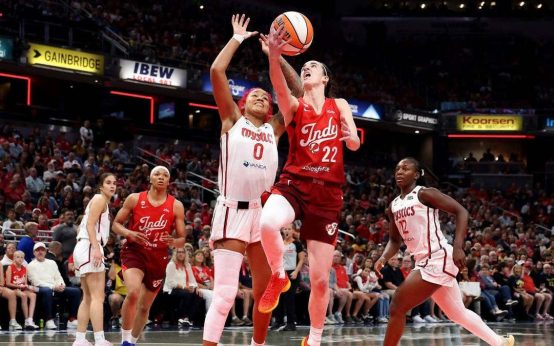 Indiana Fever’s Struggles Against Washington Mystics
 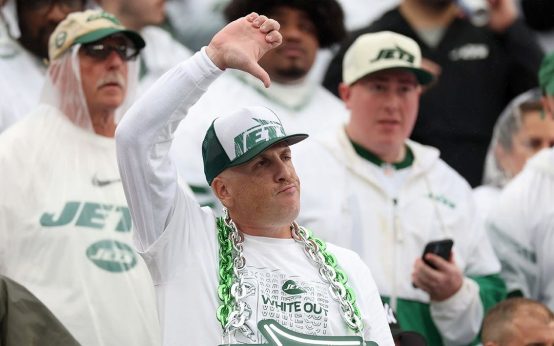 New York Jets Fall to Green Bay Packers After Fourth-Quarter Collapse