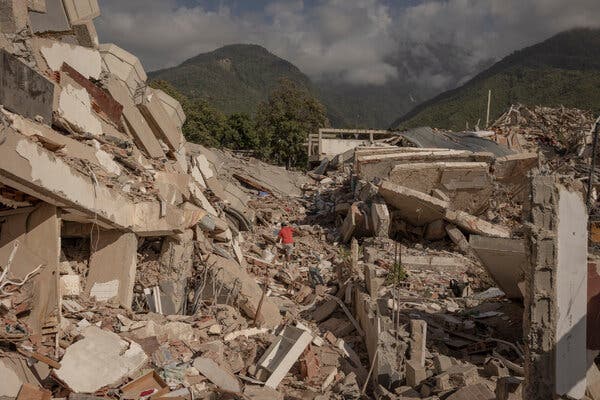
The recent earthquakes in Venezuela have created significant challenges for relief efforts. As the search for survivors trapped in rubble continues, focus is shifting to long-term impacts of the disaster.
Destruction of Clean Water Infrastructure
Clean water infrastructure in affected areas has suffered major damage, increasing the risk of waterborne diseases like cholera and typhoid fever. Susana Arroyo, spokesperson for the International Federation of Red Cross and Red Crescent Societies, explained that the water distribution system has collapsed. In the worst-hit areas, such as La Guaira, bottled water remains the only means for daily activities like bathing and cooking.
Lack of Sanitation Facilities
Sanitation facilities have also been severely affected. The destruction of sewage systems has limited access to toilets and sanitation, adding to existing hardships in regions that already faced water shortages. Many residents previously depended on mobile water tankers to meet basic needs due to lack of running water.
The earthquakes have compounded these existing issues, highlighting the urgent need for comprehensive relief efforts to address both immediate and enduring problems.
 Hurricane Polo Threatens Catastrophic Impact on Mexico’s Coast
 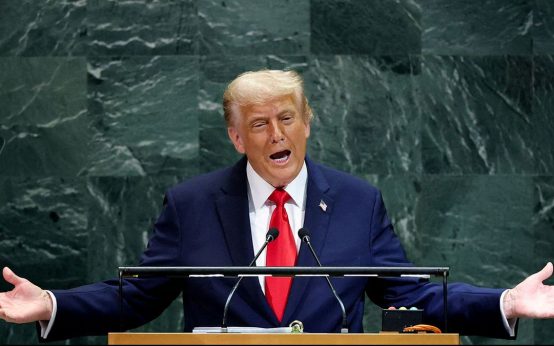 Trump’s Diplomatic Agenda: UN Speech and Global Issues
  The Shofar: A Symbol of Healing and Redemption
  Princess Diana’s Brother’s Book Sparks Royal Controversy
  Cancellation of the Red Sea International Film Festival Amid Regional Conflict
 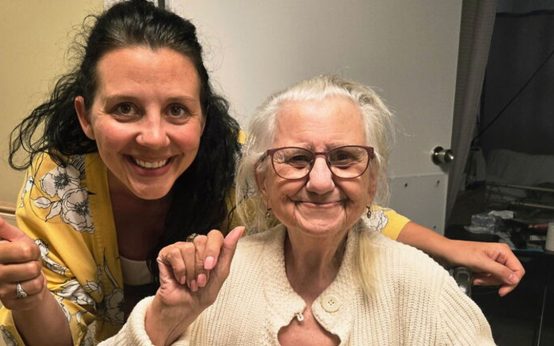 Family Seeks Answers Following Elderly Woman’s Death Under Canada’s Assisted Dying Program