
Reaching the age of 40 often signifies a new chapter in life. Many face reminders of physical changes they experience, as noted by John Wood, a mixed martial arts trainer. He remarked, “Things start going sideways; you sneeze and you throw your back out.” However, elite athletes sometimes face these changes differently.
Serena Williams’ Return to Wimbledon
Serena Williams made her long-awaited return to the singles court at Wimbledon, competing for the first time in nearly four years. At 44, she became the second-oldest woman in the main draw here after Martina Navratilova. Williams, a 23-time Grand Slam singles champion, also played doubles with her sister Venus, who is 46.
Elite athletes like Williams continue to perform well beyond what many might consider their physical prime, as shown by current examples like Lewis Hamilton and LeBron James, both still making an impact in their respective sports at 41.
In the past, athletes such as Tom Brady, Ryan Giggs, and Navratilova set the example of longevity in sports. As sports science and nutrition evolve, more athletes now find ways to sustain their careers beyond 30.
The Secret to Longevity in Sports
According to tennis coach Brad Gilbert, both special athleticism and physical luck are crucial for high-level performance in your 40s. However, meticulous preparation plays an essential role, too.
Nick Grantham, a strength and conditioning coach, highlights how advances in technology allow for precision in training and load management. Such analytics help athletes refine various life areas, supporting career longevity by focusing on complete well-being.
Finding a balance between training and recovery remains a core challenge for coaches. Paul Annacone points out that as athletes age, recovery takes longer, and maintaining performance levels requires strategic planning.
Challenges of Aging for Athletes
As athletes age, recovery capacity diminishes. Paul Annacone mentions that maintaining top performance without physical breakdowns necessitates a delicate balance. Novak Djokovic, at 39, exemplifies this balance well, as elite athletes must manage small issues to prevent career-impacting injuries.
Studies show a decline in physical attributes starting after 30, with loss of muscle mass and decreased neural firing rates leading to slower reactions and reduced aerobic capacity. However, experts assert that with careful planning, athletes can maintain elite performance far longer than previously thought.
Women’s Physical Changes
Dr. Bryna Chrismas at Loughborough University notes that female athletes over 40 should not be seen as inherently fragile. While perimenopause may affect some, others maintain regular cycles. Active management of training and recovery can sustain performance.
While male athletes face more gradual hormonal changes, emphasis on maintaining strength and recovery is crucial. The goal is not less training, but more intelligent training to combat natural decline.
Experience as an Asset
For athletes in their 40s, experience often counterbalances physical decline. Serena Williams, for instance, maintains her competitive edge by leveraging her game intelligence and extensive career experience.
Lionel Messi, at 39, displays similar traits by positioning himself advantageously on the field despite perceived lower mobility. His adept understanding of the game compensates for any reduction in physical capabilities.
Williams’ abundant experience, with a proven track record at Wimbledon, adds an unquantifiable yet powerful aura to her presence on the court.
The Mental Aspect of Aging Athletes
Research indicates that mental acuity greatly complements experience. Serena Williams emphasizes the freedom that comes from having nothing left to prove, though pressure and nervousness can affect even seasoned athletes.
As they age, great athletes may experience increased pressure despite a history of achievement, explains Paul Annacone. This paradox of greater experience can sometimes hinder performance under pressure.
Nevertheless, Williams harnesses her accomplishments and experience as powerful allies, navigating through these unique challenges.
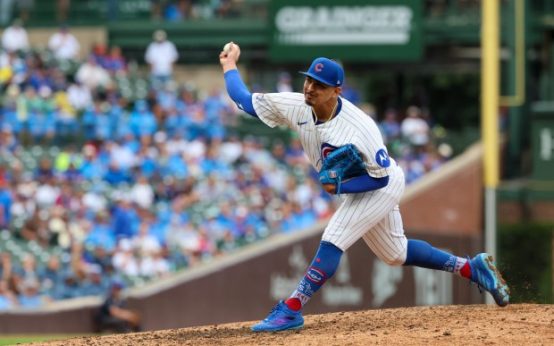 Chicago Cubs’ Reliever Palencia Makes Impactful Return
 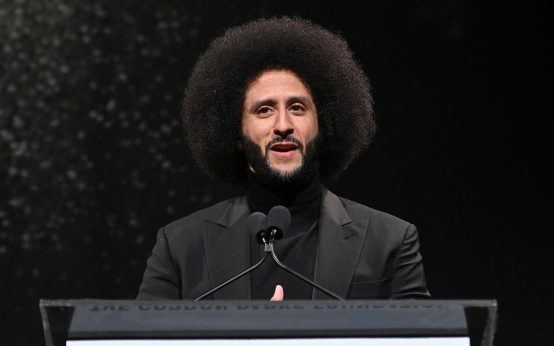 Colin Kaepernick’s NFL Comparison and Controversy
 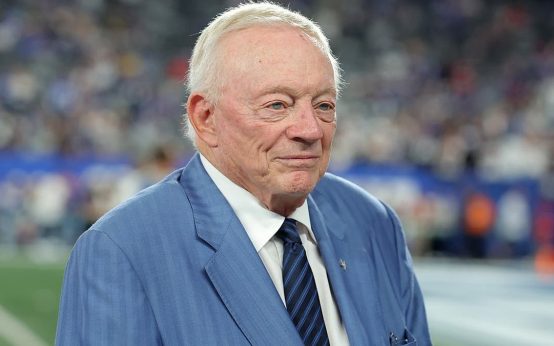 Jerry Jones and the Cowboys Celebrate Victory over Washington Commanders
 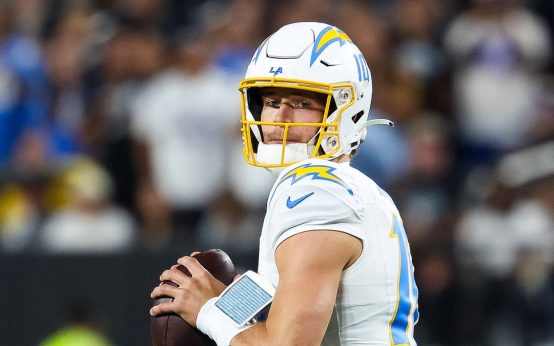 Lane Kiffin Criticized Postgame, Justin Herbert Under Fire
 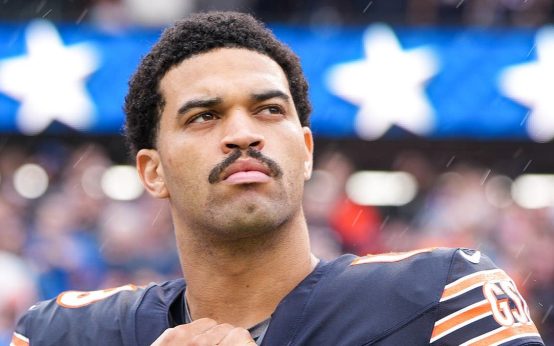 Caleb Williams’ Injury: Week-to-Week Prognosis Eases Bears’ Fears
 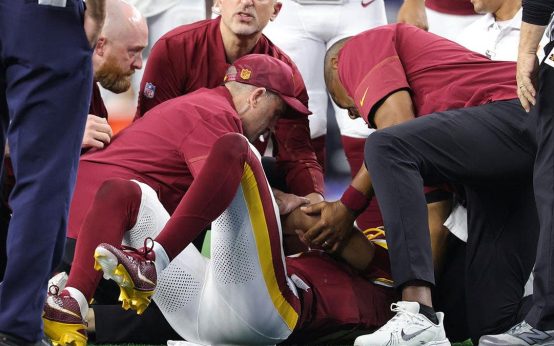 Jayden Daniels’ Injury Impact on Washington Commanders