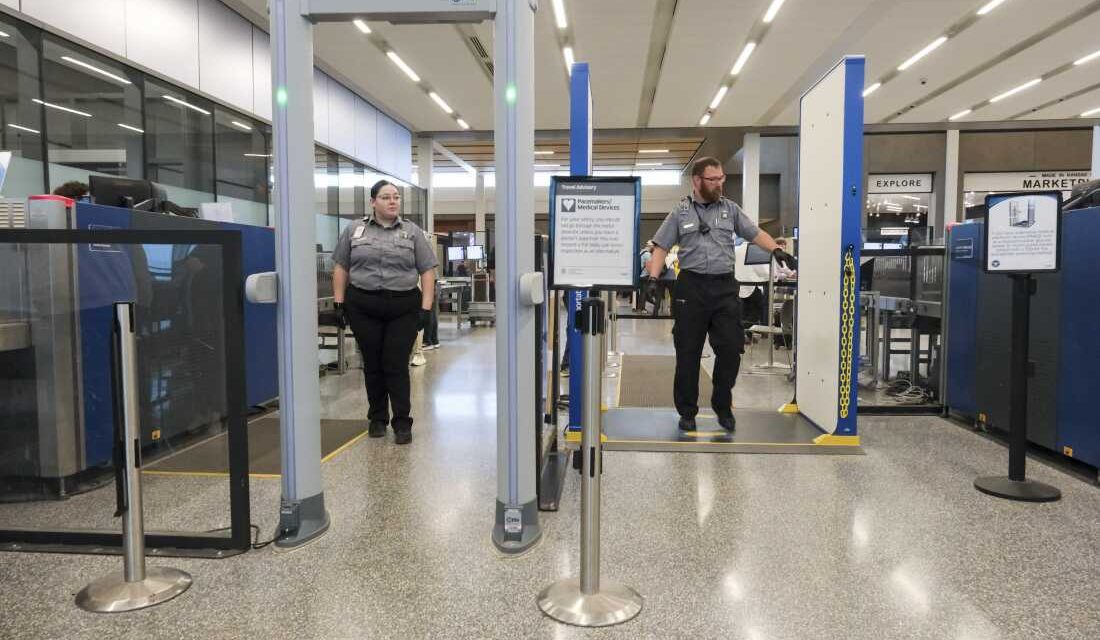
At Kansas City International Airport, travelers might not notice a key detail: security officers are not federal employees but private contractors. These officers, affiliated with VMD Corp. based in McLean, Virginia, handle duties typically associated with the Transportation Security Administration (TSA). Despite wearing badges and U.S. flag patches, these contractors perform the same functions as TSA officers, from scanning IDs to screening luggage.
Many passengers are unaware of this distinction. For instance, Natasha Greenway and Kim Eckels confessed that they hadn’t realized the officers were private contractors. This lack of awareness is common among travelers, who focus more on getting through security swiftly.
Security Operations at Kansas City International
Gabe Murphy, VMD’s program manager at the airport, clarified that while private contractors manage daily security operations, a TSA team audits their work to ensure adherence to set procedures. “Their SOP is our SOP,” Murphy stated, emphasizing that they follow TSA’s rules closely.
Origins of Private Security in Airports
The division between federal and private security personnel dates back to the TSA’s creation after the September 11, 2001 attacks. Airports could opt for federal security officers or collaborate with private firms under the Screening Partnership Program (SPP). While most U.S. airports employ TSA officers, places like Kansas City and San Francisco International Airport use private security.
More airports, including Atlanta’s Hartsfield-Jackson, are considering switching to private security, which aligns with recommendations by the Trump administration. The administration introduced TSA Gold+, an enhanced version of the SPP, aiming to involve more airports and cut expenses.
Future of Security and Oversight
Tina Won Sherman from the Government Accountability Office (GAO) notes that expanding the SPP could challenge TSA’s ability to maintain oversight across numerous sites. Sherman stresses that maintaining high security standards is vital, particularly if many airports join Gold+.
Passenger Experiences
Many travelers, like Eric Sauter, only recently became aware of the private security setup. Sauter, who frequently visits Kansas City, experienced no disruption during his travels, despite the shift from federal to private security.
Differences between TSA and VMD officers are subtle, such as VMD officers’ gray shirts instead of the TSA’s blue. But generally, passengers focus more on efficiency and demeanor than uniform color.
Private Security and Equipment
The Kansas City airport’s security mirrors many U.S. airports, although recent upgrades ensure smoother operations, especially with an influx expected for the World Cup. New scanning systems allow travelers to pass more efficiently, improving throughput during busy periods.
Inside the airport, VMD employees and local police manage security and assist in any incidents involving unruly passengers or restricted items. TSA K-9 units also contribute to security efforts on-site.
Training and Employee Perspectives
Recently, VMD introduced ten new employees to its training program, which spans approximately two months. Kim Fisher, head of security training at the airport, emphasizes the comprehensive nature of the training schedule.
New staff like Jada Price, 19, appreciate the stable job prospects in airport security. Interestingly, the promise of job stability and fair wages attracts many, which was a topic of discussion at a recent congressional hearing on TSA modernization.
Changes on the Horizon
As VMD expands, especially with a new contract for San Francisco International Airport, the company prepares for a larger scale of operations. Fisher, who oversees training across several VMD locations, plans to assist in transitioning San Francisco employees to align with VMD’s procedures.
Amid privatization discussions, the overarching goal remains ensuring travelers receive a consistent and robust level of security, regardless of the provider’s organizational structure.
 Trump Suggests Renaming AI to ‘Super Intelligence’
  The Rise of Data Centers and AI Development
  How China Uses AI to Challenge U.S. Dominance
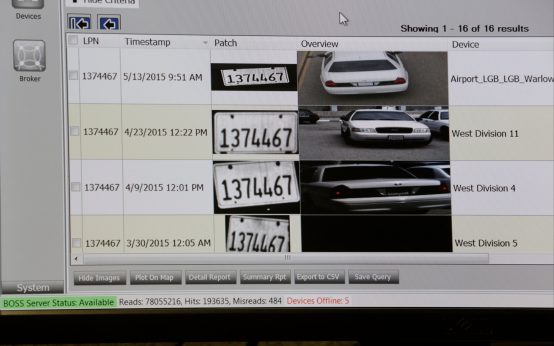
 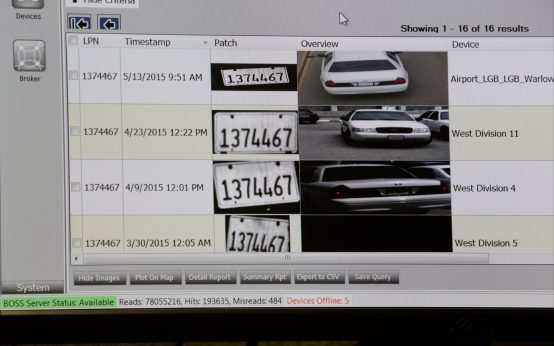 Controversy Surrounding Automated License Plate Readers (ALPRs)
 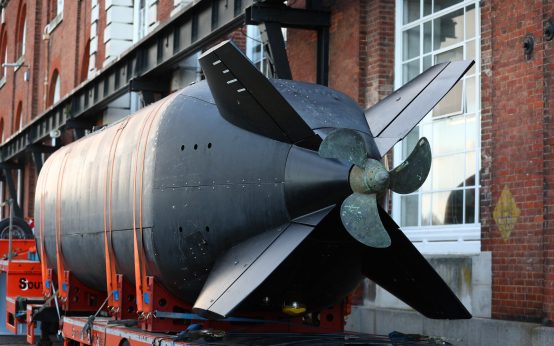 U.K. Test-Fires U.S. Torpedo from XV Excalibur
  The Rise and Controversy of Automated License Plate Readers