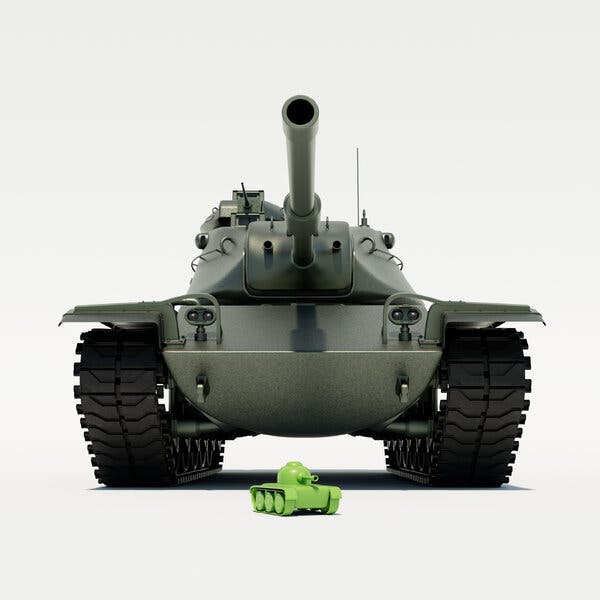
Small states can face unique challenges when under the protection of powerful nations. While this protection can lead to military strength, it can also result in strategic carelessness.
The protection offered often leads to proficiency in force but a lack of understanding of consequences. These states can exhibit sovereignty but without its inherent responsibilities, relying on external factors like arms shipments, diplomatic assurances, and international vetoes from their patrons. As a result, strategic thinking weakens.
Israel displays this condition. Its recent attack on Iran, carried out with American support, aimed to reassert regional dominance but may reveal its limitations.
Iran, while hurt, remains unchanged. Its nuclear ambitions have been impeded but not erased. The regime still stands. The United States and Iran recently signed a memorandum to curtail hostilities, highlighting the boundaries of Israel’s results. Israel can engage in warfare alongside America but cannot shape its conclusion.
This situation highlights Israel’s operational achievements but also its strategic shortcomings. Israel can impact Iran militarily but lacks resolution. The aftermath is diplomatic exclusion and intensified reliance on American support, which Israeli leaders struggle to fully acknowledge.
For years, Israel has promoted self-reliance while being intertwined with American support. The promise of self-defense hides an extensive support system, including American arms, intelligence sharing, and a yearly $3.8 billion military aid package. This dependency has deepened, yet Israel staunchly maintains its independence narrative.
 Israeli Leader’s Upcoming U.N. Assembly Speech Marked by Controversy
  Republicans Call for Quick Resolution to Iran Conflict
  United States Secures Arctic Defense Pact
  Senator Warren Seeks to Restrict Private Equity in Restaurant Chains
  Marco Rubio’s Expanding Role in Trump Administration
  Byron Donalds Adjusts Campaign Strategy as Florida Governor Race Intensifies