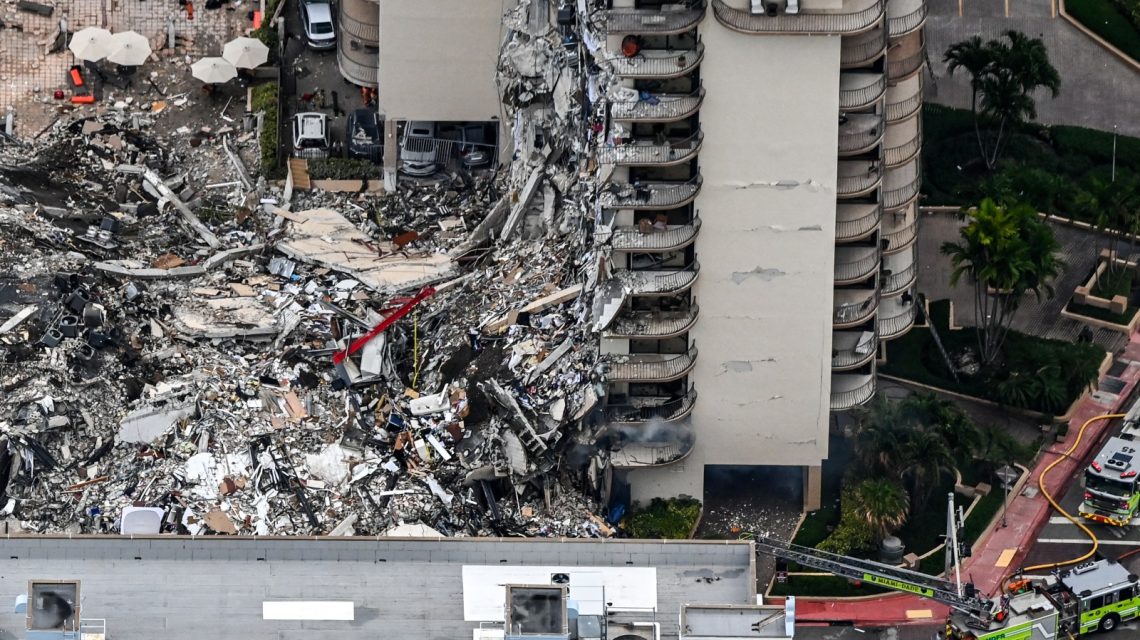
The Surfside condominium collapse occurred during a hot summer night in Miami suburb, Surfside, Florida. On June 24, 2021, the Champlain Towers South, a 40-year-old 12-story beachfront condo, partially collapsed. Security footage captured the eastern part of the building crumbling, turning to dust and rubble within seconds. While early reports confirmed one casualty, the death toll eventually reached 98, marking it as one of the deadliest structural failures in U.S. history.
Attorney Stuart Z. Grossman, involved in obtaining a nearly $1 billion settlement for victims and families, described the incident as unique. He emphasized that residents were innocent in expecting safety while asleep in a building. Grossman recalled poignant stories of lives lost unexpectedly, painting a vivid picture of loss and disbelief. Early investigations identified the pool deck slab as the failure point due to water penetration and steel corrosion. Further analysis uncovered foundational errors dating back to 1981, compounded by maintenance neglect.
The tragedy prompted Florida lawmakers to enact safety reforms. Robert Smith of FirstService Residential recalled the collapse’s wide-reaching impact, personally affecting many. Florida’s response included comprehensive reform with the Building Safety Act in May 2022. This act mandated Structural Integrity Reserve Studies (SIRS) for condos of three or more stories and milestone inspections for older buildings, aimed at preventing similar disasters.
A Safer Condo Market—At a Cost
The reform required condo associations to maintain reserves for structural needs, a change faced with resistance. Condo owners, fearing HOA fee hikes, began selling units, causing a market glut and depreciation. Many struggled with financial strain, burdens compounded by rising property costs and insurance premiums.
Expert Gina Clausen Lozier commented on the market effects, noting mortgages became burdensome, leaving some owners to abandon properties. The reform bifurcated the market between thriving luxury condos and older, price-sensitive ones. Governor Ron DeSantis responded by reforming the legislation with bills HB 913 and HB 393 in 2025, offering relief by extending deadlines and pausing reserve fund contributions for urgent repairs.
Lessons Learned, Loopholes, and Lingering Fears
Smith noted some condo communities fared better if prepared. Others continue navigating financial challenges. Grossman highlighted the plight of long-term residents in older buildings, questioning future HOA actions amidst economic uncertainty. The tragedy enhanced buyers’ awareness, prompting more thorough inquiries into building health and financials.
However, Grossman expressed skepticism about enforcement effectiveness, citing potential negligence and loopholes. He advocated for mandatory repair reporting to prevent secrecy in maintenance lapses.
With current measures, Grossman remains uncertain about preventing another tragedy entirely. Clausen Lozier noted well-managed boards take preventive action due to liability fears, though South Florida remains particularly vulnerable to similar incidents.
 Potential Impact of Tropical Storm Polo on Southern California
 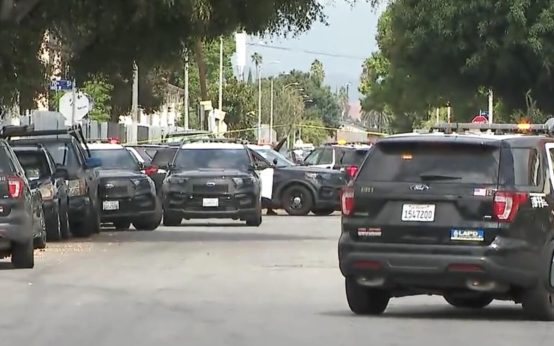 Shooting Incident at South Los Angeles Senior Assisted Living Facility
  Legal Challenges in Pursuing a Wrongful Death Claim Against Utah Valley University
 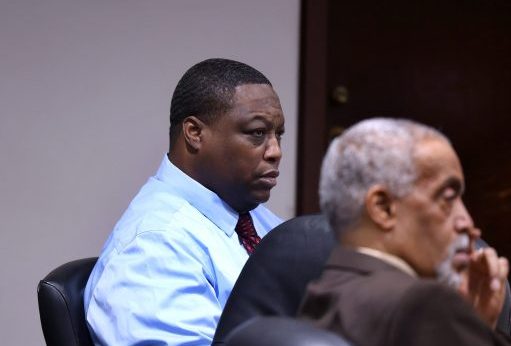 Man Arrested After Fatal Stabbing on Chicago’s South Side
 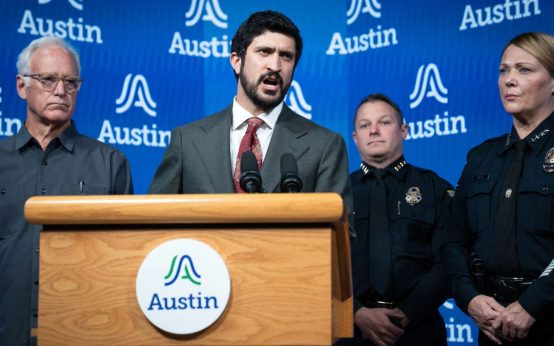 Debate Over ICE Action in Austin Escalates
  Fatal Car Crash in Grand Rapids Involving ICE Agents