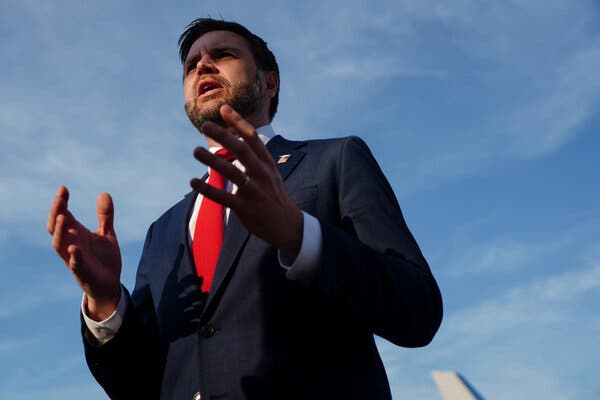
Vice President JD Vance finds himself in a politically sensitive position as he navigates complex negotiations with Iranian leaders. These talks are pivotal not only for the Republican Party’s performance in upcoming midterm elections but also for Vance’s prospects as a possible successor to President Trump.
Recently, Vance faced disruptions due to an untimely threat from President Trump, who warned of bombing if Iran closed the Strait of Hormuz. Trump’s statement suggested dire consequences for Iranian negotiators, escalating tensions at a critical juncture.
Despite these challenges, Vance announced that the initial round of discussions had established a “successful foundation” for peace. His task now involves ending a war he originally opposed, while managing presidential interference and dealing with Iran’s resilience against Trump’s threats.
At a news conference, Vance addressed the issue of misinformation: “What we told the Iranians yesterday is when you guys engage in what us millennials might call trash talk, you can’t expect the president of the United States not to respond and not to correct the record.” Vance stressed the importance of truthful communication amid negotiations.
Both nations have agreed on a memorandum of understanding aimed at ending hostilities and aspire to finalize a nuclear deal within 60 days. The political stakes are high for Vance, particularly given his position as the leading candidate for the 2028 Republican nomination. Navigating this precarious situation requires skillful diplomacy and political acumen.
 Improving the Transparency of Public Records
 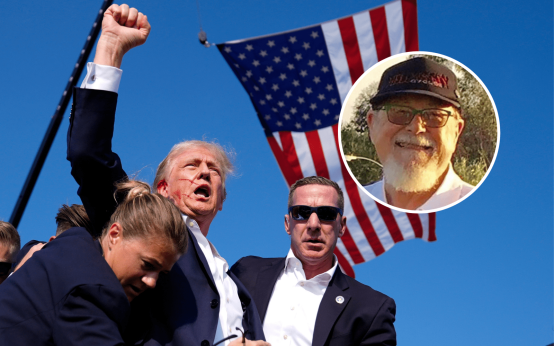 Death of Jim Copenhaver Brings Attention to Butler Rally Security Issues
 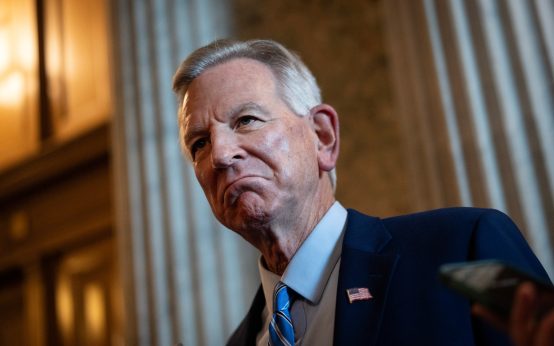 Republican Senator Proposes Major Overhaul of U.S. Immigration System
 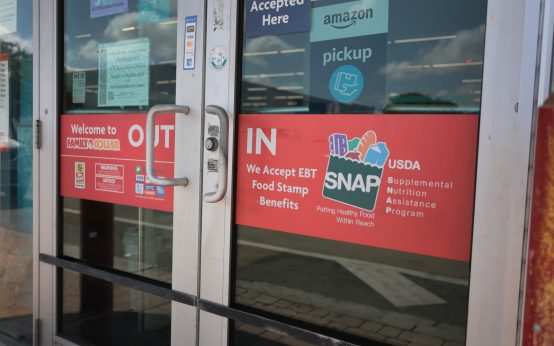 Upcoming Changes to SNAP and Medicaid Set to Impact Millions of Americans
 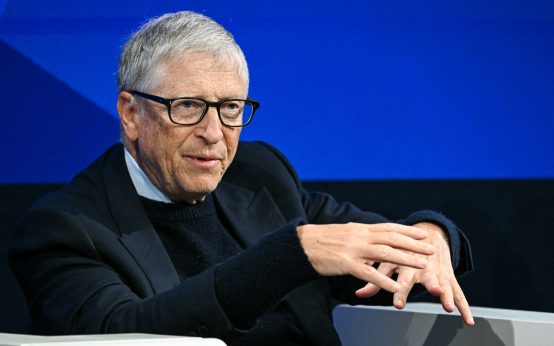 AI Concerns Emerge Amid High-Level Discussions and Industry Warnings
 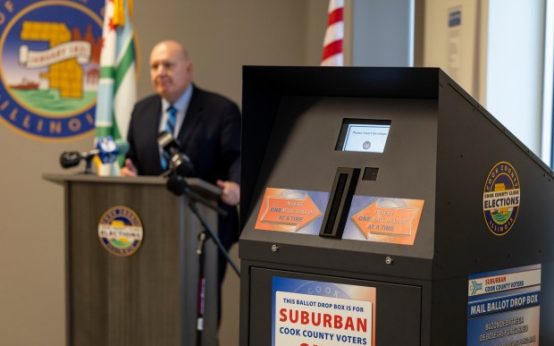 Election Details for Illinois Voters: Importance of Participation and Key Information