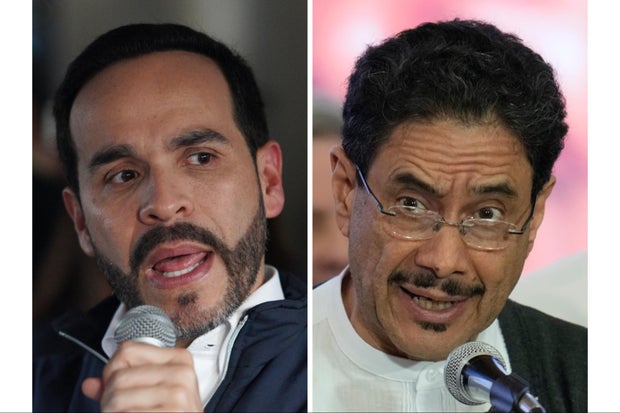
The Colombian presidential election on Sunday will see a divided electorate choose between two contrasting candidates. Iván Cepeda, a far-left senator from the ruling Pacto Histórico party, faces Abelardo de la Espriella, a far-right lawyer with rhetoric similar to Donald Trump and Nayib Bukele.
John Manrique, a lawyer in Bogotá, comments on the political polarization. He is concerned about the violence tied to these extreme divisions, expressing hope for peaceful acceptance of the election results by all.
Over 41 million Colombians are eligible to vote. This high-stakes election follows Cepeda and de la Espriella’s victories over nine other candidates on May 31. They propose strategies to prevent a return to past violence, characterized by bombings, kidnappings, and displacements.
De la Espriella promotes a tough approach, gaining an endorsement from Trump. President Gustavo Petro criticizes this as interference and warns of potential political violence if the right wins power. Petro emphasizes the significance of Colombia’s election results on its U.S. relations.
Cepeda pledges to continue Petro’s dialogue efforts with illegal armed groups, despite previous failures. He and de la Espriella offer different solutions for Colombia’s health system, debt, and corruption issues.
In first-round voting, Cepeda received 41% and de la Espriella 44%, raising concerns from Petro over the legitimacy of results. The election occurs a decade after Colombia’s peace pact with FARC, which promised to end conflict. However, violence has risen as groups shifted to drug trafficking.
Authorities reported 14,780 homicides last year, a number not seen since 2015, and connected to conflicts among illegal armed groups. Conservative candidate Miguel Uribe was among those killed. Extortion cases doubled since 2015, with 13,417 incidents in 2025.
Nicknamed ‘The Tiger,’ de la Espriella vows to combat crime by building 10 mega-prisons, following Bukele’s controversial policies. Cepeda advocates for Petro’s ‘total peace’ initiative to engage with rebels and gangs. This approach recently saw one group disarm and resettle. Yet, Colombia’s illegal groups have around 27,000 members.
Yamile Guevara, a retired teacher in Bogotá, believes Petro’s policies require more time for results. She criticizes public distrust towards Colombia’s left, historically linked to rebels. Guevara questions people’s understanding of Colombia’s history and election choices.
The runoff’s buildup featured increased verbal attacks and accusations, such as fraud and intimidation. Cepeda filed a complaint against de la Espriella for alleged ties to paramilitary groups, which de la Espriella denies.
 Understanding Contempt of Congress: Recent Case Involving Dr. Fauci
  Legal Experts Predict Trump’s Success in White House Ballroom Case
  Senate Passes Stopgap Funding Bill, Affecting Key Policies
  Senate Faces Legislative Challenges Amid Recess
  Pentagon Urges Increased Weapon Production Amid Munitions Shortage
  Controversy Over Trump’s Use of Taylor Swift’s and Other Artists’ Songs on Team Trump TikTok Page