Current Polls Show Competitive Race
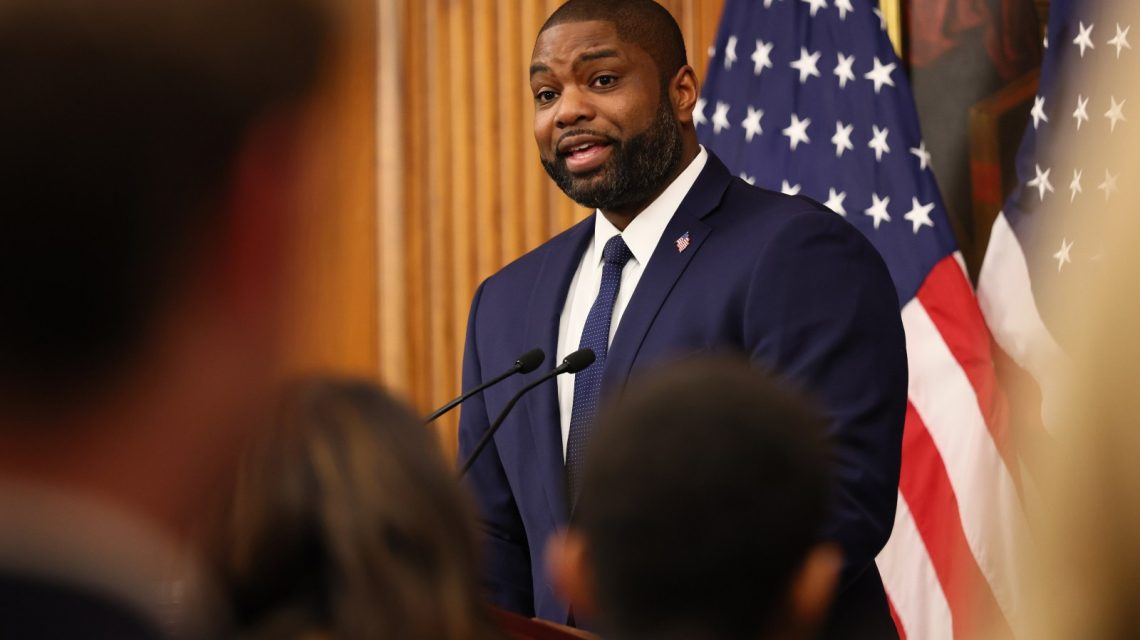
Republican Congressman Byron Donalds is trailing Democratic candidate David Jolly in the Florida governor’s race, according to Change Research. This firm, aligned with Democrats, suggests Jolly is leading with 47% to Donalds’ 42% among registered voters, and 49% to 43% among likely voters. This survey involved 1,273 registered voters, where 1,015 indicated they would likely vote in 2026. The poll has a margin of error of 2.8%.
Florida Democrats see encouragement; the party hasn’t secured a statewide win since 2018. Despite Republican dominance, recent polling suggests a potentially closer contest.
President Trump supports Donalds, labeling him “a TOTAL WINNER.” Trump won Florida by 13 points in 2024. Donalds campaigns as a conservative successor to advance Trump’s policies.
Reactions and Campaign Strategies
Donalds’ campaign dismissed the poll results, referencing comments from communications director Gates McGavick and campaign affiliate Ryan Smith. They critiqued the poll as biased.
Jolly, initially a Republican, now runs as a Democrat. His campaign focuses on affordability issues in insurance, housing, and healthcare. Conversely, Donalds emphasizes fighting illegal immigration.
Overview of Other Polls
Another recent Change Research poll shows Jolly leading 46% to 42%, surveying 2,070 registered voters, with 1,593 likely to vote. The margin of error is 2.3%.
An Emerson College Polling survey in March indicated Donalds with 44%, Jolly with 39%, and 17% undecided, involving 1,125 likely voters. The poll’s margin of error is 2.8%.
This highlights the evolving dynamics as both candidates strategize to appeal to Florida voters ahead of the 2026 election.
 Confusion Surrounds UK Bomb Plot Investigation as Suspects Released on Bail
  Maine Senate Race: Rising Home Heating Oil Prices and Political Tensions
  Democratic Women’s Caucus Unveils Economic Agenda
  White House Reopens Part of Lafayette Square
  Mamdani’s Child Care Plans and Their Potential Impact
  Challenges in Addressing Global Crises