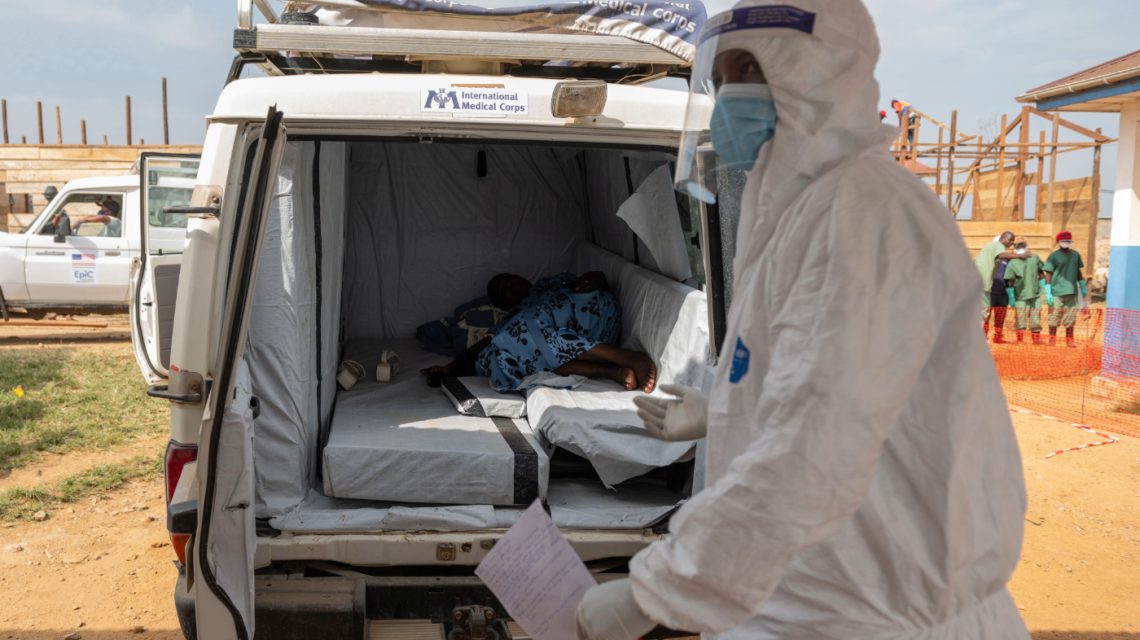
A paramedic stands next to a suspected Ebola patient lying in an ambulance at a treatment center in Bunia, Congo, on June 15, 2026. Ebola, identified as one of the deadliest infectious diseases globally, is spreading swiftly throughout the Democratic Republic of Congo and Uganda, with South Sudan now under threat.
Nations are urgently coordinating efforts to halt the outbreak. Yet, one stark truth emerges: The international community can no longer rely on the U.S. to lead in these daunting global health emergencies as it once did. Nearly a decade ago, the last Ebola epidemic claimed over 11,000 lives in Africa, with the U.S. playing a significant role in combating it. However, current signals indicate a shift away from that commitment.
Decisions by the Trump administration to reduce U.S. public health agency resources and dismiss experienced scientific personnel have weakened the nation’s capability to manage effective responses to such health disasters. Furthermore, the U.S. withdrawal from the World Health Organization has severed ties essential for data sharing and coordination with global allies, integral to past U.S. health policies. These measures have decreased safety, both domestically and globally.
The U.S., once pioneering in the global fight against infectious diseases, now struggles to address the Ebola outbreak. This situation may prove as devastating as the 2014 crisis. There is also public confusion and uncertainty regarding the U.S. response.
Key questions remain unanswered: Who within the State Department is directing America’s Ebola response? Though the U.S. claims to have committed millions in aid, there are scant details about expenditure plans. With the U.S. Agency for International Development now disbanded, what office oversees supply delivery, personnel, and support? What preparations are underway for the outbreak’s potential spread? Communication clarity with the public on the growing problem is missing.
Confusion persists, exacerbated by a succession of acting heads at the Centers for Disease Control and Prevention post-dismissal of the initial director by President Trump for agenda non-compliance. Americans are left questioning the guidance and leadership in place. Uncertainty exists over who leads, the strategies involved, and whose scientific information to trust.
Viruses traverse international borders easily. Financial agency cutbacks, sidelining experts, suspending real-time data flow, and eliminating vital global health partnerships fuel their spread. Control becomes increasingly complex if the outbreak reaches neighboring refugee camps in Sudan, exacerbated by overcrowding and poor sanitation.
Adding to the confusion are conflicting stances by the Trump administration on infectious disease prevention. Voices that opposed COVID-19 mitigation efforts now advocate for stringent quarantine measures against Ebola and hantavirus outbreaks.
Contradictions are also evident in Secretary of State Marco Rubio’s remarks on Ebola containment policies “protecting the American people,” while simultaneously preventing U.S. citizens exposed abroad from returning home. America boasts advanced infectious disease facilities and skilled personnel capable of treating exposed citizens, yet affected individuals will be treated in a temporary facility in Kenya instead.
The U.S. previously invested significantly in infectious disease preparedness. Collaboration with allied nations, support for international health organizations, and consideration of expert opinions were strategic strengths. These collective efforts aimed to prevent, contain, and manage disease outbreaks locally and internationally.
That leadership commitment seems lost in present times. Without congressional accountability holding the administration responsible for impairing U.S. response capabilities, Ebola and other health threats could seriously endanger American safety and security.
Lyndon Haviland, DrPH, MPH, is affiliated with the CUNY School of Public Health and Health Policy.
Copyright 2026 Nexstar Media Inc. All rights reserved. Reproduction or distribution of this material without authorization is prohibited.
 Trump’s Executive Order Targets Mosquito and Tick Control
  Understanding the Impact of GLP-1 Weight-Loss Drugs on Brain Health
  Gene Editing and Ethical Debates at Origin Genomics
  Supporting Child Mental Health: The Role of Home Environments
  Abdul El-Sayed Aims to Attract ‘Make America Healthy Again’ Supporters in Michigan Senate Campaign
 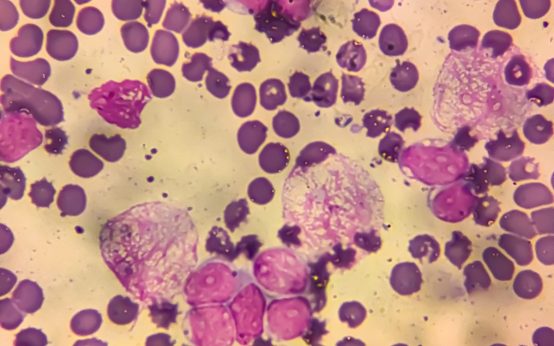 Infections Linked to Global Cancer Cases