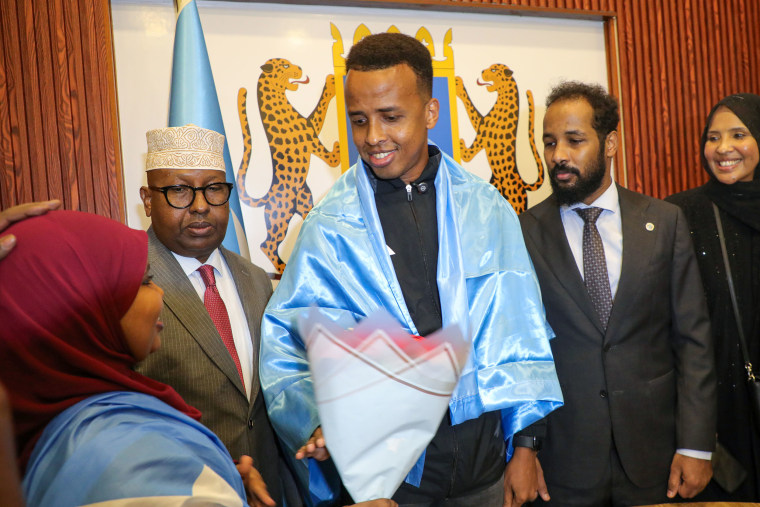
Although not a participant in the World Cup, Somalia experienced a unique celebration at Mogadishu’s airport when Omar Artan returned. Artan, a 34-year-old Somali referee, faced an unexpected situation upon arriving in the United States for the tournament. Despite being selected as the first Somali referee to officiate at this World Cup, he was detained for 11 hours in Miami before being sent back home. His story highlights criticisms of U.S. immigration policies during major sporting events.
Artan’s experience is not isolated. Reports indicate that 15 Iranian officials and an Iraqi team photographer faced similar entry issues. An Iraqi player, Aymen Hussein, along with other participants, also underwent intense border procedures. Despite previous assurances from the U.S. government to FIFA, travel restrictions remain a concern, particularly for citizens of 39 countries affected by policies set under former President Donald Trump.
This World Cup has faced unprecedented entry issues in the modern era, with previous tournaments not entirely issue-free, such as human rights concerns in Qatar in 2022 and authoritarian challenges in Russia in 2018. However, the denial of entry to an officially accredited referee like Artan is an uncommon spectacle, drawing criticism both domestically and internationally. Former U.S. Secretary of State Hillary Clinton criticized the event, labeling it as a setback for the country.
The situation has garnered attention from various public figures. Ian Wright, a retired Arsenal and England player, commented on the chaos surrounding the World Cup, questioning the actions of the host nation. Meanwhile, Andrew Giuliani, head of the White House World Cup task force, stated that Artan’s entry denial was justified, although details were not provided. Trump administration officials cited potential associations with terror groups as the reason for denial but offered no specific evidence.
In Somalia, Artan has received support from local organizations. The Somali Sports Ministry expressed regret over his treatment, and the Somali Football Federation is backing him. They advised withholding judgment until all facts are confirmed. Meanwhile, the U.S. Customs and Border Protection (CBP) clarified that two Iraqi officials faced additional inspections, a standard procedure, with one allowed entry and the other denied due to vetting concerns.
The White House spokesman, Davis Ingle, emphasized the importance of safety and security for attendees, discouraging what he termed scare tactics from activist groups. However, Jules Boykoff, an academic, criticized the invasive searches for contradicting the spirit of the World Cup.
Ronan Evain from Football Supporters Europe commented on the World Cup’s universal nature, noting that current U.S. policies undermine this essence. He and other fans worry about visa barriers during this tournament, with reports of high costs and application hurdles adding to concerns. The international soccer community, while introducing the “FIFA Pass” for priority appointments, faces criticism for not easing success rates.
Political analyst Sarah Pierce warns that U.S. actions set a negative precedent for future international events. She hopes backlash leads to more inclusive policies when hosting world events. Meanwhile, Artan remains optimistic about future challenges, continuing his refereeing career.
 Demi Vollering’s Triumph at Women’s Tour de France 2026
  Chelsea Green’s Journey Through Injury to WWE Interim Championship
  Chris Sale Ejected Before Braves Game Against Yankees
 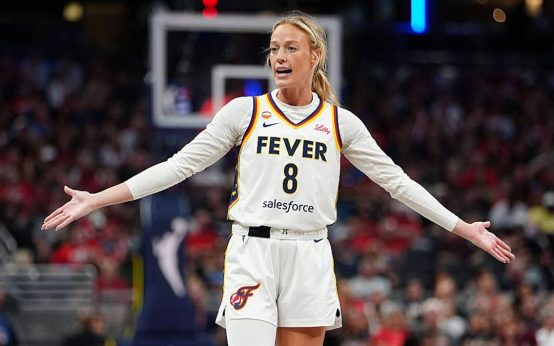 Controversy Surrounds DiJonai Carrington’s Ejection and Social Media Reaction
  Tarik Skubal’s Trade to the Dodgers: What it Means for MLB
  Basketball Legacy: Remembering Don Nelson