The political landscape of Illinois has been a significant arena for both civil debates and confrontations over rights. ‘Illinois 250’ explores the contributions of Chicago and Illinois to the broader governance of the nation. Presidents have emerged from this state, gaining the skills to lead America or even facing resignation, partly due to actions by the Tribune. Leaders have championed immigrants, workers, women, and people of color.
Illinois boasts a roster of influential figures including Lincoln, Addams, Willard, the Daleys, Washington, Debs, Jackson, and Obama. Below are examples of these individuals becoming renowned or denounced for their actions while representing Illinois.
Lincoln-Douglas Debates (1858)
Abraham Lincoln and Stephen Douglas engaged in the first of seven debates in Ottawa. Initially, only Douglas’ speeches were widely published. However, Lincoln’s eloquence eventually gained national attention, establishing him as a prominent figure despite losing the state legislature vote.
Lincoln Nominated for President (1860)
Lincoln received a crucial endorsement from the Tribune, resulting in his nomination at the Republican Convention in Chicago. His election as the 16th president on November 6, 1860, followed this support.
Great Railroad Strike (1877)
Originating in West Virginia, this rail strike ballooned into a national conflict, with Chicago at the center. Workers faced violent clashes with authorities, leading to numerous casualties. The National Guard intervened in Chicago 18 times between 1877 and 2021 due to escalating violence.
The Birth of May Day (1886)
On May 1, 1886, a significant march occurred in Chicago advocating for an eight-hour workday. The subsequent Haymarket Affair turned deadly, prompting legislative changes and inspiring International Workers’ Day. A memorial on Desplaines Street commemorates these efforts.
First Settlement House in the Nation (1889)
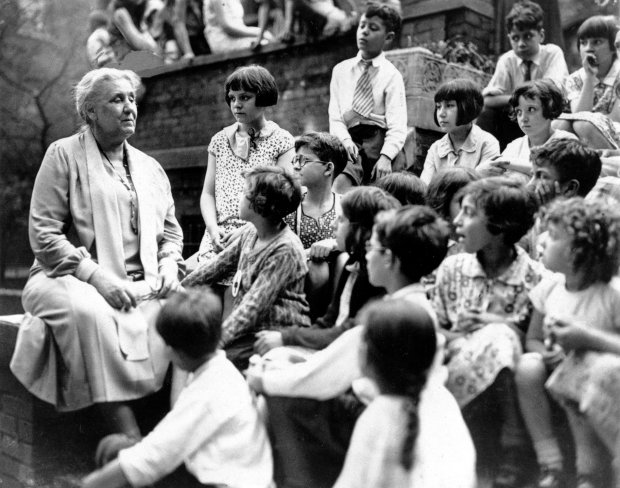
Jane Addams and Ellen Gates Starr founded Hull House, providing cultural, educational, and social programs for the impoverished. Hull House expanded significantly with private donations, advocating for peace and social reforms.
Addams’ Contributions
Jane Addams rose to prominence for her international peace efforts during WWI and her fight against municipal corruption. She helped establish numerous organizations, including the ACLU and NAACP, earning the Nobel Peace Prize in 1931.
Pullman Strike (1894)
The Pullman Strike in Chicago highlighted national labor struggles, with Gov. John Altgeld resisting federal military intervention. President Cleveland’s decision to deploy the Army led to repeat violence reminiscent of earlier strikes.
‘Cross of Gold’ Speech (1896)
William Jennings Bryan delivered a notable speech at the Democratic National Convention in Chicago, advocating labor reform and captivating attendees with his passionate plea against the gold standard.
Child Labor Regulations (1903)
Illinois became the first state to enact an eight-hour workday and 48-hour workweek for children, starting on July 1, 1903, under a newly passed law.
Frances Willard’s Recognition (1905)
A statue of Frances Willard was added to the U.S. Capitol, honoring her contributions to the temperance movement and Prohibition Party leadership.
Industrial Workers of the World Founded (1905)
The IWW emerged in Chicago, advocating for ‘one big union’ despite subsequent governmental repression and internal conflicts.
First Party Whip (1913)
James Hamilton Lewis became the Democratic whip, tasked with organizing party voting strength during legislative sessions.
Direct Election of U.S. Senators (1913)
Following William Lorimer’s expulsion over corrupt election practices, the 17th Amendment established direct election for U.S. Senators.
Charles Gates Dawes’ Nobel Prize (1925-26)
Dawes, from Evanston, secured the Nobel Peace Prize for his role in stabilizing Germany’s finances post-WWI.
Governatorial Convictions
Illinois has seen four governors convicted of wrongdoing: Kerner, Walker, Ryan, and Blagojevich, while two were acquitted.
Oscar Stanton De Priest (1928)
De Priest became the first Black congressman from a Northern state, having served as Chicago’s first Black alderman.
Roosevelt’s Convention Speech (1932)
FDR broke tradition by personally delivering his acceptance speech at the Democratic convention in Chicago, promising a New Deal.
‘Dewey Defeats Truman’ Blunder (1948)
The Tribune famously printed an erroneous headline declaring Dewey’s victory over Truman, resulting in an iconic photograph of Truman.
Televised Political Convention (1952)
Television brought national attention to the Republican National Convention in Chicago, where Eisenhower called for unity.
Richard J. Daley’s Reign (1955)
As Chicago’s mayor, Daley transformed the city with federal funds and bold policies, exerting tremendous political influence nationally.
First Televised Presidential Debate (1960)
The Kennedy-Nixon debate set a precedent for televised political discourse, contributing to Kennedy’s surprise victory.
Martin Luther King Jr.’s Chicago Movement (1966)
King targeted Chicago for civil rights efforts, facing intense opposition but advocating for improved conditions for Black residents.
1968 Democratic National Convention
The convention was marked by violence and protests, prompting widespread media coverage under scrutiny from activists and authorities.
Operation PUSH and Jesse Jackson (1971)
Jackson founded Operation PUSH to promote economic opportunities for marginalized communities, impacting both business and advocacy.
Watergate Tapes Published (1974)
The Tribune published Watergate transcripts first, influencing Nixon’s presidency by calling for his resignation.
‘Welfare Queen’ Narrative (1974)
Linda Taylor’s fraudulent activities fueled political claims about welfare abuse, impacting public perception and policy debates.
Jackson’s Presidential Runs (1984 and 1988)
Jackson ran historic campaigns for president, facing controversy and strife but mobilizing supporters for change.
Chicago’s Sanctuary City Status (1985)
Mayor Harold Washington declared Chicago a sanctuary city, progressively ensuring equal access to opportunities for all residents.
Operation Greylord (1987)
A landmark corruption investigation in Chicago led to widespread convictions, transforming public accountability standards.
Barack Obama’s Achievements
Obama became the first Black president of the Harvard Law Review, later ascending to the presidency of the U.S. in 2008.
Carol Moseley Braun’s Historic Election (1992)
Braun became the first Black woman elected U.S. Senator, championing progressive causes during her term.
Pro-Immigrant Rally (2006)
A massive rally in Chicago demonstrated solidarity against restrictive immigration policies, gathering tens of thousands.
Obama’s Presidency (2008)
Elected as the first Black president, Obama’s journey began in Chicago, culminating in a historic national event.
Chicago: Convention Host
Chicago has hosted numerous significant national political conventions, solidifying its role in American political history.
Operation Midway Blitz (2025)
Federal operations in Chicago targeting immigration issues drew critical attention and protests due to perceived excesses.
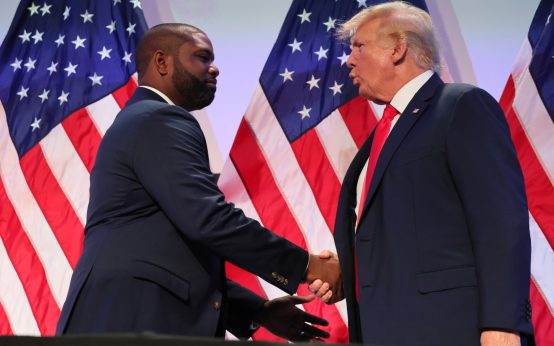 Byron Donalds Adjusts Campaign Strategy as Florida Governor Race Intensifies
 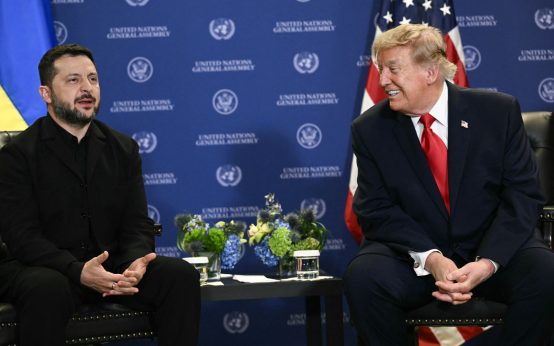 Trump’s Engagements at the UN: Focus on Ukraine and White House Developments
 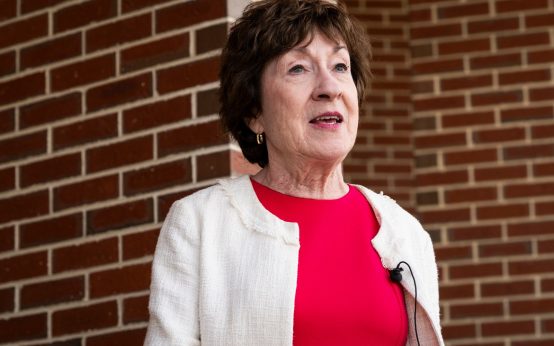 Collins Faces Scrutiny in Tight Maine Senate Race Amid Donor Allegations
 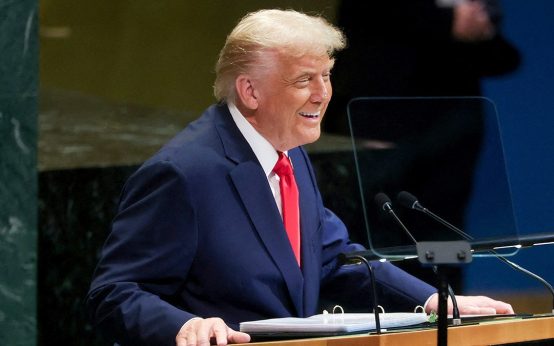 Trump’s Vision for Global Security: Iran, AI, and the Role of the U.S.
 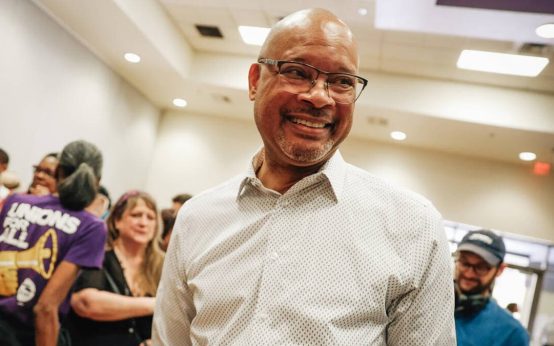 Nevada Attorney General Faces Questions Over Clemency Bid
 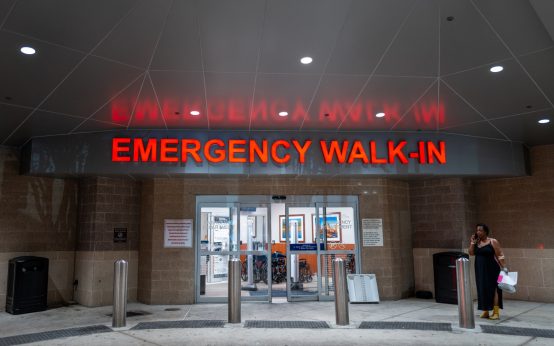 Trump Administration’s Crackdown on ACA Coverage