The future of college football is a national topic, with voices ranging from college administrators to conference leaders, and even former President Donald Trump offering opinions. Legendary Alabama head coach Nick Saban expressed concerns about the Name, Image, and Likeness (NIL) agreements, predicting they might create an endless arms race that would disadvantage smaller schools. However, he did not address issues like increasing coaching and staff salaries, top-notch facilities, and the dominance of certain programs in the National Championship listings.
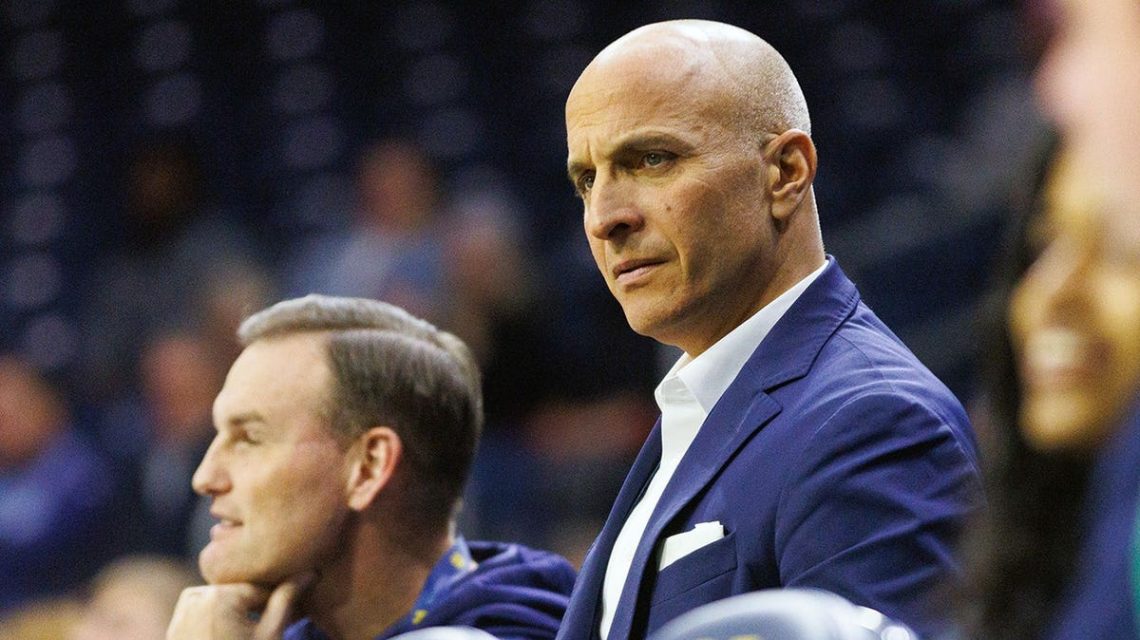
Notre Dame athletic director Pete Bevacqua also shared his insights before Congress. He discussed various issues but notably highlighted his concern about the potential emergence of a “super league” to boost media revenues. According to Bevacqua, creating a league with 24 to 30 teams, featuring competitive matchups like Notre Dame versus Alabama or Ohio State, could achieve media numbers akin to the NFL.
If you wanted to maximize media value around college football, I think you would take 24 to 30 teams, create unbelievably competitive scheduling where a team like Notre Dame would play Alabama, Georgia, Penn State, Ohio State, Michigan, and start to get a number that more closely resembles an NFL number.
However, Illinois Fighting Illini head coach Bret Bielema responded to Bevacqua’s remarks. He criticized the idea, particularly because of Notre Dame’s independent status in college football, suggesting they should “just join a conference.” Bielema’s comment highlights a lesser-discussed issue in college football alignment: Notre Dame’s position. The school has a unique deal guaranteeing them a spot in the College Football Playoff if they rank within the top 12, which contrasts with teams playing full conference schedules.
Notre Dame benefits from its independent status due to a lucrative television contract with NBC, which offers substantial financial advantages over other schools that share conference revenue. This independence allows them to craft their schedules advantageously, like in 2026 when their playoff spot seemed almost assured. Their strong donor base further supports them with NIL arrangements, and their historic success continues to attract top recruits.
Bielema’s critique implies that Notre Dame’s separate status should limit their influence on how college football evolves. For example, Illinois’ 2026 schedule includes challenging matchups with Ohio State, Oregon, Nebraska, and Iowa, alongside potential Big Ten Conference Championship Game duties. In comparison, Notre Dame plays fewer games against top-ranked teams and avoids a conference championship.
Notre Dame remains independent for strategic reasons. Independence maximizes their flexibility and benefits. However, the concept of “super leagues,” as raised by Bevacqua, challenges this approach, hinting at more consolidation and constraints on Notre Dame’s current approach. If Bielema’s perspective aligns with other key coaches, the independent model may face increased scrutiny.
 Bettors Reflect on Recent Plays and Monday Night Football
  Chicago Blackhawks’ Rookie Roman Kantserov Tackles Shortened Training Camp
  Owen Crouch’s Breakout Moment for Jacobs
  Impact of Storm Damage on Marian Catholic and Exciting Tournament Wins for St. Laurence
  Football Season Midpoint Analysis and Playoff Outlook
  Colin Kaepernick’s Press Tour Raises Unasked Questions