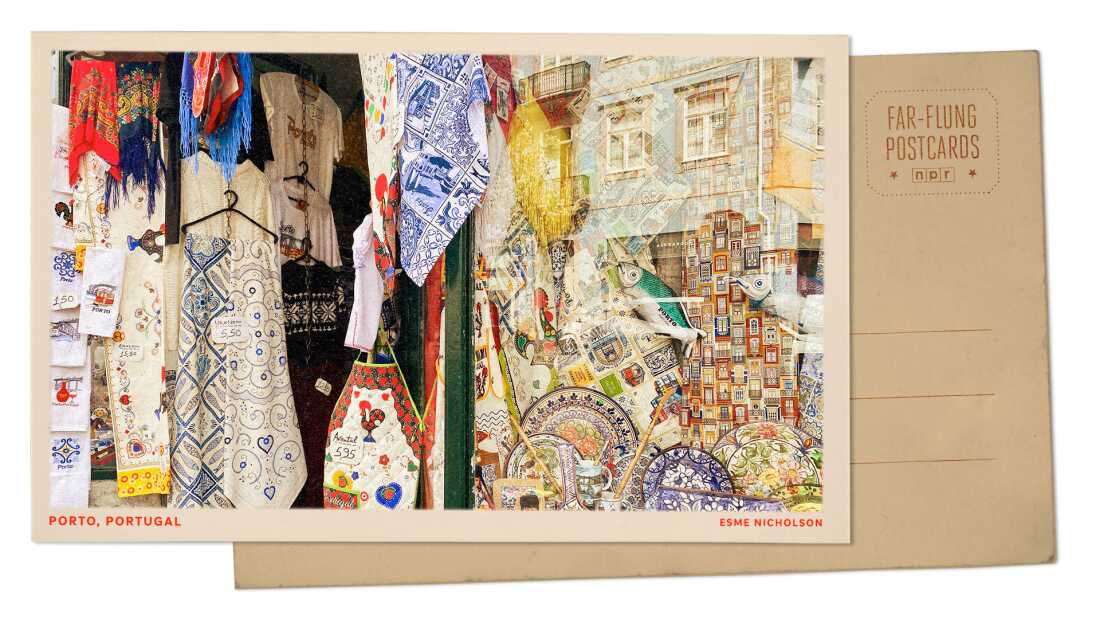
The lanes of Porto’s old town feature an abundance of linen. High above the streets, fresh laundry flutters like flags in the breeze, secured to twine stretched tightly between windows. Down at street level, linen scarves, cotton aprons, and tea towels decorate the entrances of souvenir shops. Many of these shops are operated by Bangladeshi immigrants, linking Portugal’s tradition of textile manufacturing to Bangladesh’s own rich history in this craft.
As I browse through the tea towels, nostalgia takes hold. I recall the drawer filled with towels at home, a varied collection from my travels and others inherited over time. Among them are William Morris-patterned linens and a faded towel illustrating a map of Hadrian’s Wall. Another features the Universal Declaration of Human Rights, while one proclaims that life begins at 40. Each time I use a fresh towel to dry dishes, memories of past kitchen conversations come to mind. Those who have previously held and folded these cloths have left their mark.
Now, as my child assists in drying while I wash up, we cherish these worn rags and the familial ritual they represent. Before departing from the Portuguese souvenir shop, I select a new tea towel. It will serve as a tool for discussing our day and, eventually, as a gift to pass on to the next generation.
 Life Through Cancer: A Family’s Journey of Love and Resilience
  The Curious Case of Mark Jackson’s NBA Hoops Card
  Communities Continuing Recovery from Hurricane Helene Explored through Graphic Novel
 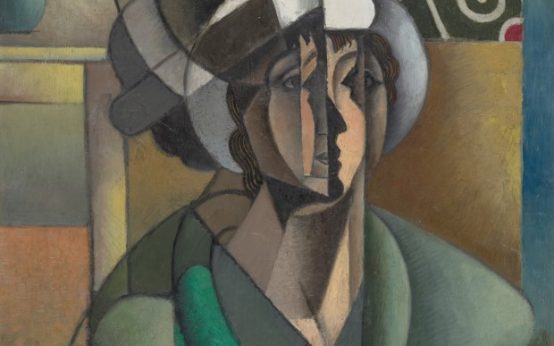 Art Institute of Chicago Returns Nazi-Looted Painting to Heirs
  ICE Officer’s Shooting of Venezuelan Driver Without Body Camera Raises Concerns
  Chicago History Museum Responds to Protest with Aquí en Chicago Exhibit